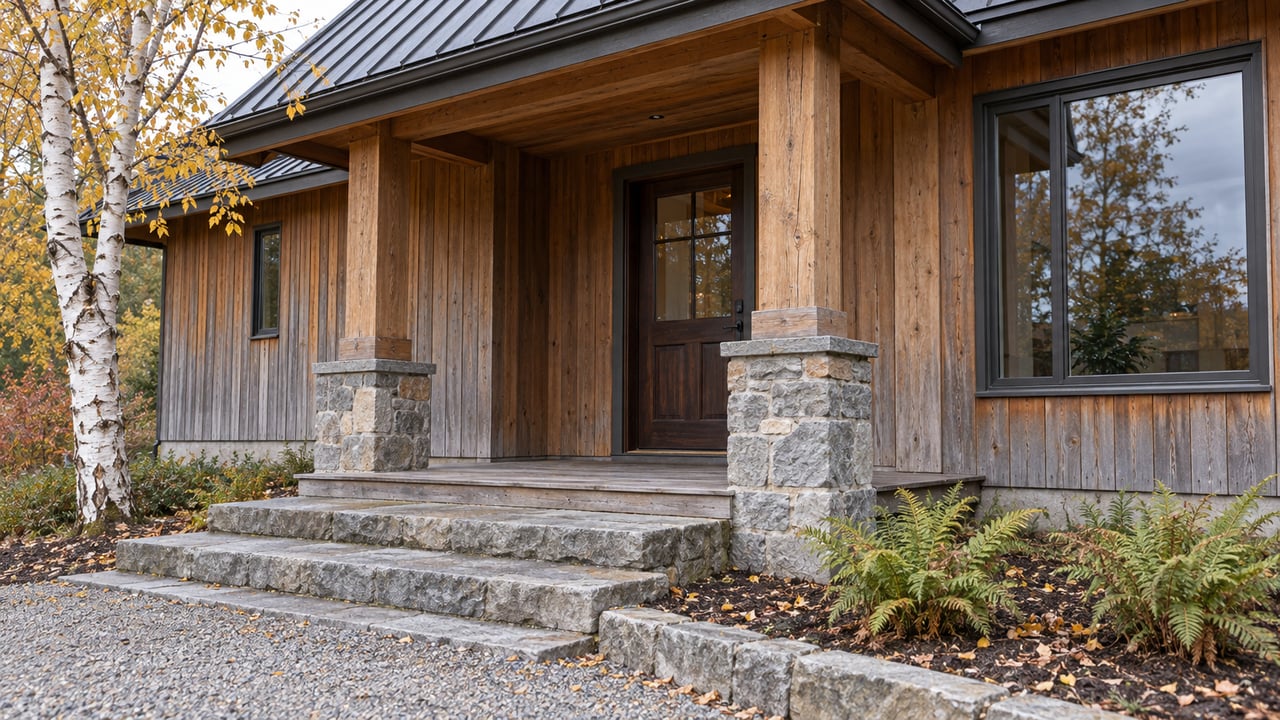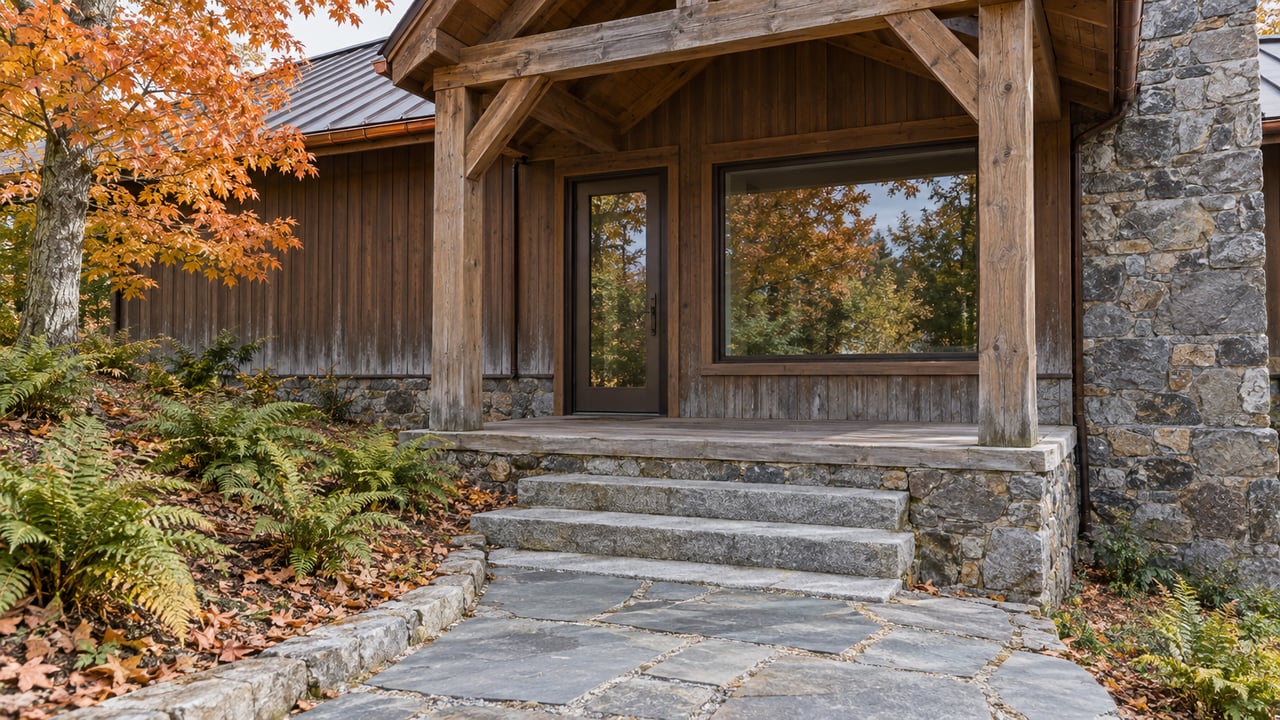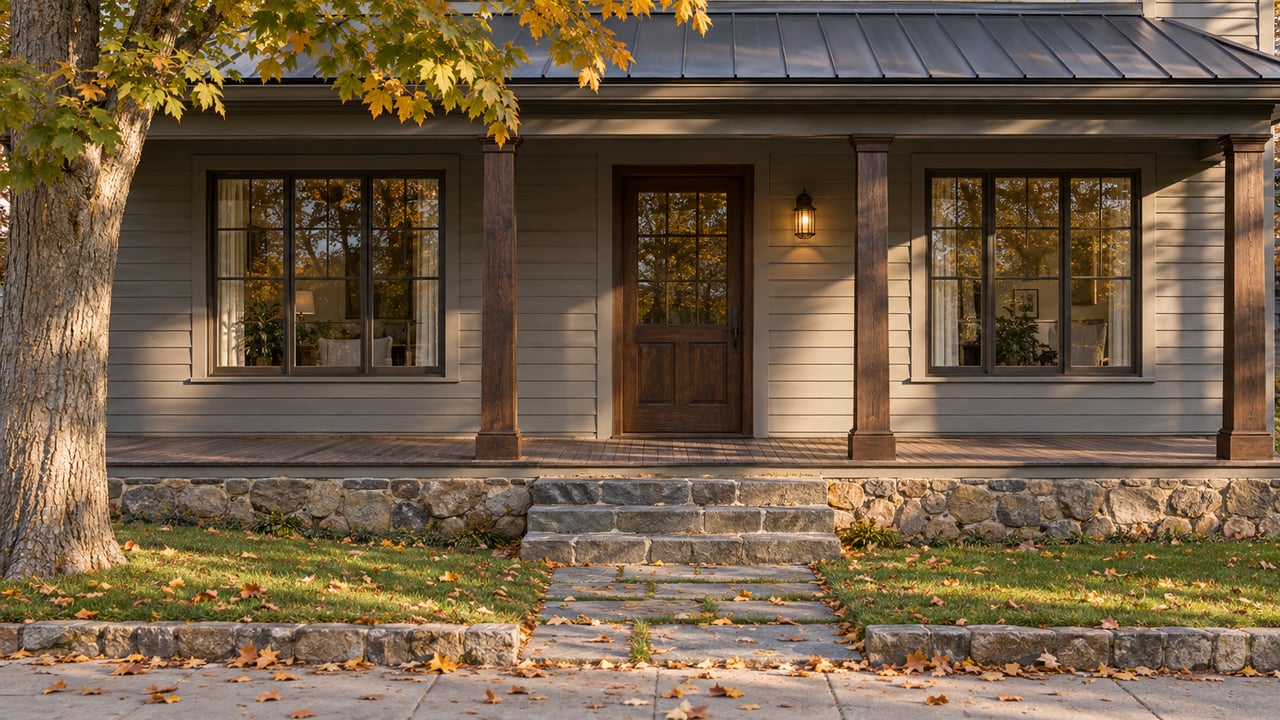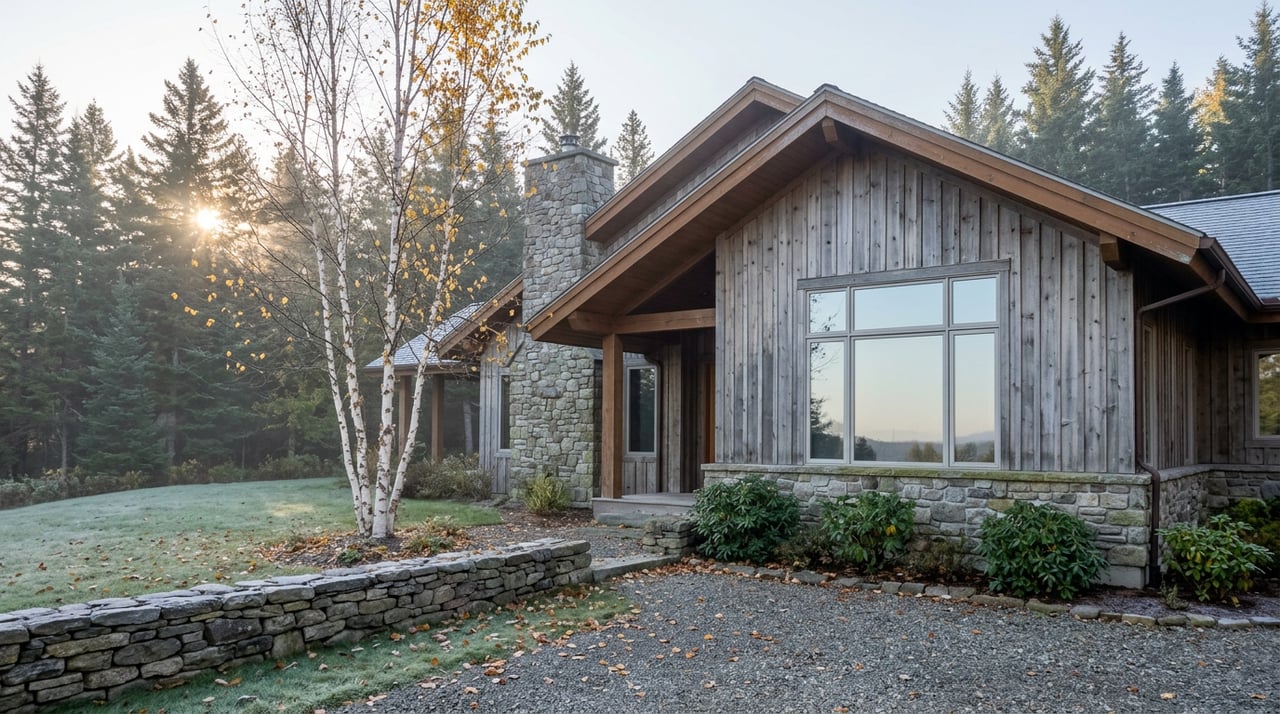
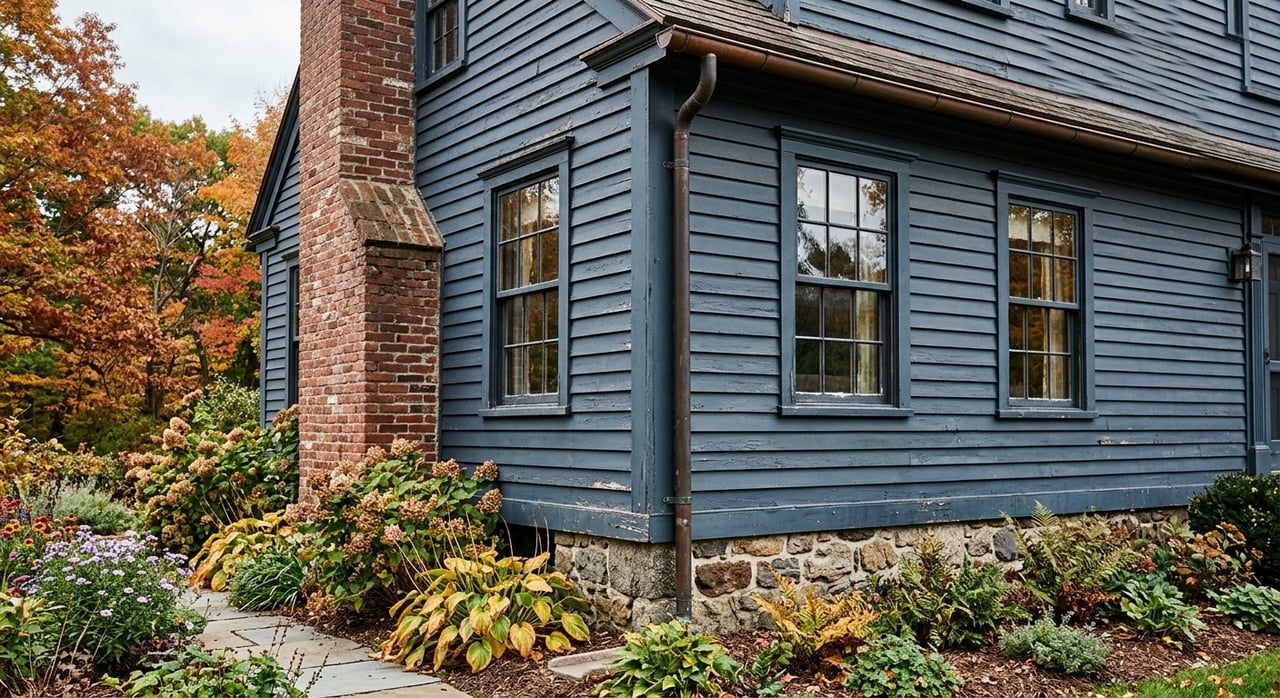
Dreaming about a classic Vermont home with a front porch, original trim, and a spot right near the village center? Buying a historic village home in Chester can feel like stepping into a place with real character and daily convenience. It also comes with a different set of questions than buying a newer house. This guide will help you understand what makes Chester’s historic homes special, what to inspect closely, and what to confirm before you move forward. Let’s dive in.
Why Chester Village Stands Out
Chester’s historic village setting is a big part of its appeal. The town identifies the Chester Village Historic District as the village center around the Green and Main Street between Maple Street and Lovers Lane, along with seven side streets. According to the Town Plan, the district includes 156 principal buildings, and only 17 do not contribute to its historic character.
That gives the area a cohesive look and feel that many buyers want. Instead of scattered historic homes on isolated lots, you find a compact village environment tied to everyday life. The town also describes a downtown with restaurants, bed-and-breakfasts, antique stores, art galleries, a market, a hardware store, and other small businesses.
For many buyers, that mix is the sweet spot. You get architectural charm and a walkable village setting, while still enjoying the practical benefits of nearby services. If you are looking for a Southern Vermont home with personality, Chester offers a strong sense of place.
What “Historic Village Home” Can Mean
Not every historic home in Chester has the same look. In Chester Village, the Town Plan says the dominant forms are wood-frame buildings, often with temple-form or gable-front facades facing the street. The district includes Federal, Greek Revival, Italianate Revival, Gothic Revival, Queen Anne/Eastlake, Colonial Revival, and Georgian Revival architecture.
That variety matters when you start touring homes. Some houses may feel simple and symmetrical, while others show more ornament, porches, bay windows, or decorative trim. In many cases, these homes reflect changes over time rather than a single frozen style.
Buyers may also want to understand the difference between Chester Village and the Stone Village area. The Stone Village Historic District lies north of the village district along Route 103 and includes 18 buildings, with 13 described in the Town Plan as well-maintained examples of snecked ashlar stone construction. If you love historic homes, Chester offers more than one architectural experience.
Features Buyers Often Love
Historic village homes in Chester often win buyers over with details that are hard to replicate in newer construction. Depending on the home, you may see front porches, classical entries, bay windows, bracketed cornices, sash windows, clapboards, and decorative wood trim. These features can shape both the home’s curb appeal and its long-term value.
They can also affect maintenance decisions. Original windows, trim, and porch elements are often part of what gives the home its identity. Before assuming older features need full replacement, it is worth asking whether repair is possible and practical.
Inspect Moisture and Drainage Carefully
Chester’s village setting adds charm, but the site itself still matters. The town describes the village as being set on flat bottomland along the north side of the Middle Branch of the Williams River, with ridges on both sides. For buyers, that means drainage, basement conditions, and floodplain status deserve extra attention.
Historic homes are often vulnerable to moisture intrusion. The National Park Service notes common trouble spots like faulty roofs, cracks, open joints around windows and doors, siding gaps, and poor drainage. Gutters, downspouts, grading, repointing, and painting all play a role in preventing damage.
When you tour a home, look beyond the pretty finishes. A damp basement, poor exterior drainage, or deferred exterior maintenance can become much more expensive than cosmetic updates. In an older village home, water management is one of the most important parts of the big picture.
Pay Close Attention to Roofs and Masonry
A historic home’s roof can be one of its biggest assets or one of its biggest projects. If a house has a slate roof, that may be a major positive. The National Park Service says properly installed slate roofs can last 60 to 125 years or longer, and repairs are often preferred over replacement when possible.
That does not mean you should skip the roof inspection. Slate pattern and detailing are part of a historic home’s character, so condition matters. You will want to understand whether the roof has been maintained, whether repairs are needed, and whether a specialist should review it.
Masonry also deserves a careful look, especially in homes with stone elements, masonry foundations, or chimneys. The National Park Service says mortar joints are a common failure point and that repointing should use appropriate materials and methods. Foundation cracks, chimney condition, and mortar repairs should be treated as specialist-review items, not small cosmetic issues.
Evaluate Windows for Repair Potential
Historic windows are often one of the first things buyers worry about. The good news is that older windows are not automatically beyond saving. The National Park Service notes that a historic window’s condition can often be evaluated through a sample repair.
That matters in Chester, where original sash, trim, and proportions may be part of the home’s character. If you are comparing costs, ask whether the existing windows can be repaired before jumping to full replacement. The answer may affect both your budget and the home’s long-term appearance.
Know the Lead and Utility Questions
Lead-based paint is a common issue in older homes. The EPA says 87% of homes built before 1940 have some lead-based paint, and 24% of homes built between 1960 and 1978 do. Testing by a certified professional and lead-safe work practices during renovation, repair, or painting are important considerations.
For most pre-1978 homes, buyers also have the right to know about known lead-based paint hazards before signing a contract. If you are buying a historic village home, this should be part of your due diligence, not an afterthought.
Utility setup is another key item. Chester’s Water Department says village-area residents may be connected to municipal water, and the town has completed a service-line inventory and lead-service-line replacement plan. The Sewer Department says municipal sewer is available in the village area, while properties outside the village use approved on-site septic systems.
Before you buy, confirm whether the home is on municipal water, a well, municipal sewer, or septic. Also ask about the property’s water service line. These details affect both maintenance planning and future costs.
Understand Local Rules Before You Renovate
A lot of buyers assume that if a home is historic, any future changes are heavily restricted by federal rules. That is not how it works. The National Park Service says National Register listing does not place federal restrictions on what a private owner may do, though state or local rules may still apply.
In Chester, local rules are what matter most for many buyers. The Planning Commission handles zoning, subdivision, and flood-hazard regulations, and the Zoning Administrator says permits are required for items such as new construction, additions, changes in use, and work in a floodplain.
The town’s zoning bylaws also spell out how village character is treated. In the Village Center district, development is intended to preserve historic character and support a pedestrian-friendly streetscape. In the Village Green district, new construction and renovations are intended to be compatible with the historic character, scale, and settlement pattern, and exterior alterations must follow the district’s architectural standards.
If you are picturing an addition, exterior redesign, barn conversion, or different property use, confirm the parcel’s zoning district early. A quick check before you make an offer can save time, money, and frustration later.
A Smart Buyer Checklist for Chester
When you are considering a historic village home in Chester, focus on both charm and due diligence.
- Confirm the home’s location within the village and its zoning district
- Ask whether the property is in a floodplain or subject to flood-hazard review
- Review basement conditions, drainage, grading, gutters, and downspouts
- Inspect roofing materials and determine whether a slate roof needs specialist review
- Evaluate masonry foundations, chimneys, and mortar condition carefully
- Ask whether original windows and exterior details are repairable
- Review known lead-based paint disclosures for applicable homes
- Confirm water and sewer connections, including the service-line setup
- Talk with the town early if you plan exterior changes, additions, or a change in use
Why Local Guidance Matters
Buying a historic home is rarely just about square footage. It is about understanding how architecture, maintenance, utilities, and local rules all fit together. In a place like Chester, the details matter because the setting is a big part of the value.
That is especially true if you are buying from out of town or searching for a second home in Southern Vermont. A well-guided purchase can help you protect the character you love while making sure the property works for your plans.
If you are thinking about buying in Chester or anywhere in Southern Vermont, Southern Vermont Realty Group can help you navigate the local market with practical, property-specific guidance.
FAQs
What makes Chester Village historic homes different from other Vermont homes?
- Chester Village homes are part of a compact historic setting centered around the Green and Main Street, with a strong nineteenth- and early-twentieth-century architectural character and a mix of styles such as Greek Revival, Italianate, and Queen Anne.
What should buyers inspect first in a Chester historic home?
- Buyers should pay close attention to moisture, drainage, basement conditions, roof condition, masonry, windows, utility connections, and any signs of deferred exterior maintenance.
What should buyers know about Chester Stone Village homes?
- Chester’s Stone Village is a separate historic district along Route 103 known for snecked ashlar stone buildings from the 1830s and 1840s, offering a different historic home style than the wood-frame homes common in Chester Village.
What zoning questions matter when buying a Chester village home?
- Buyers should confirm the parcel’s zoning district, ask about floodplain status, and review whether future plans like additions, exterior alterations, barn conversions, or changes in use may require permits or design review.
What utility questions should buyers ask about a Chester village property?
- Buyers should confirm whether the home is served by municipal water and sewer or by a well and septic system, and they should ask about the property’s water service line as part of their due diligence.
What should buyers know about lead in older Chester homes?
- Older homes are more likely to contain lead-based paint, so buyers should review required disclosures for applicable homes and consider testing by a certified professional before renovation or repair work.