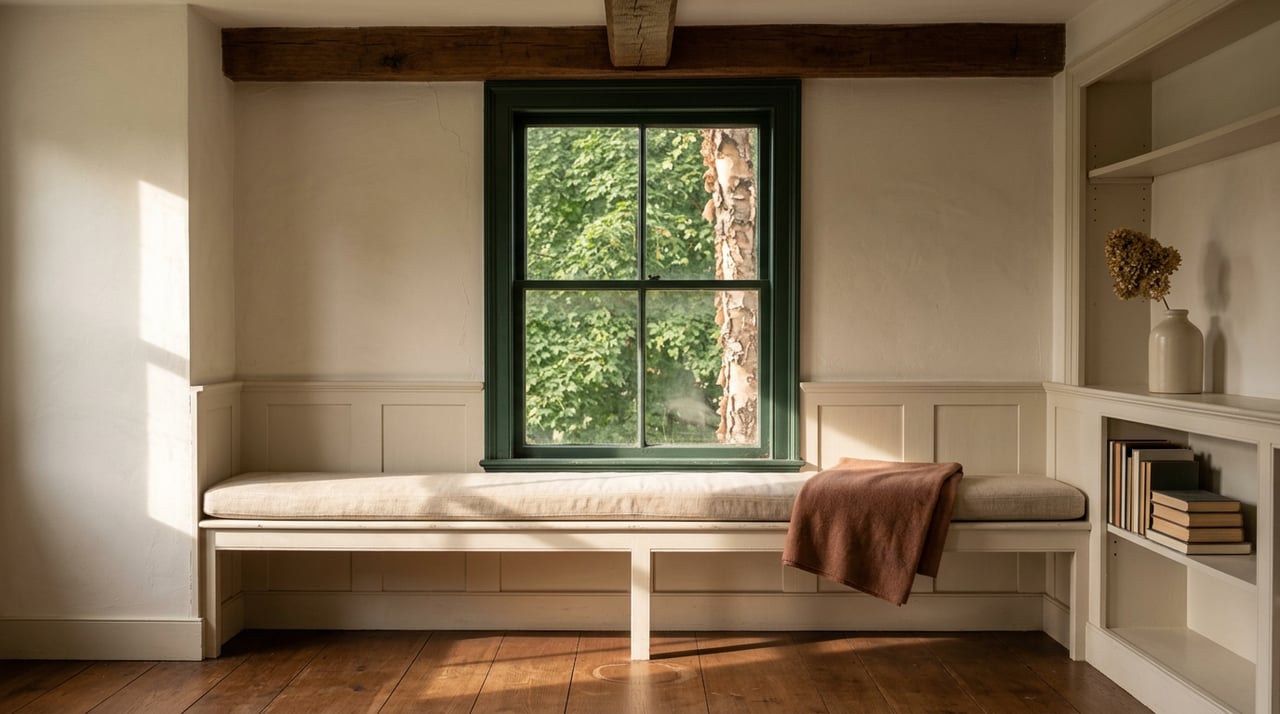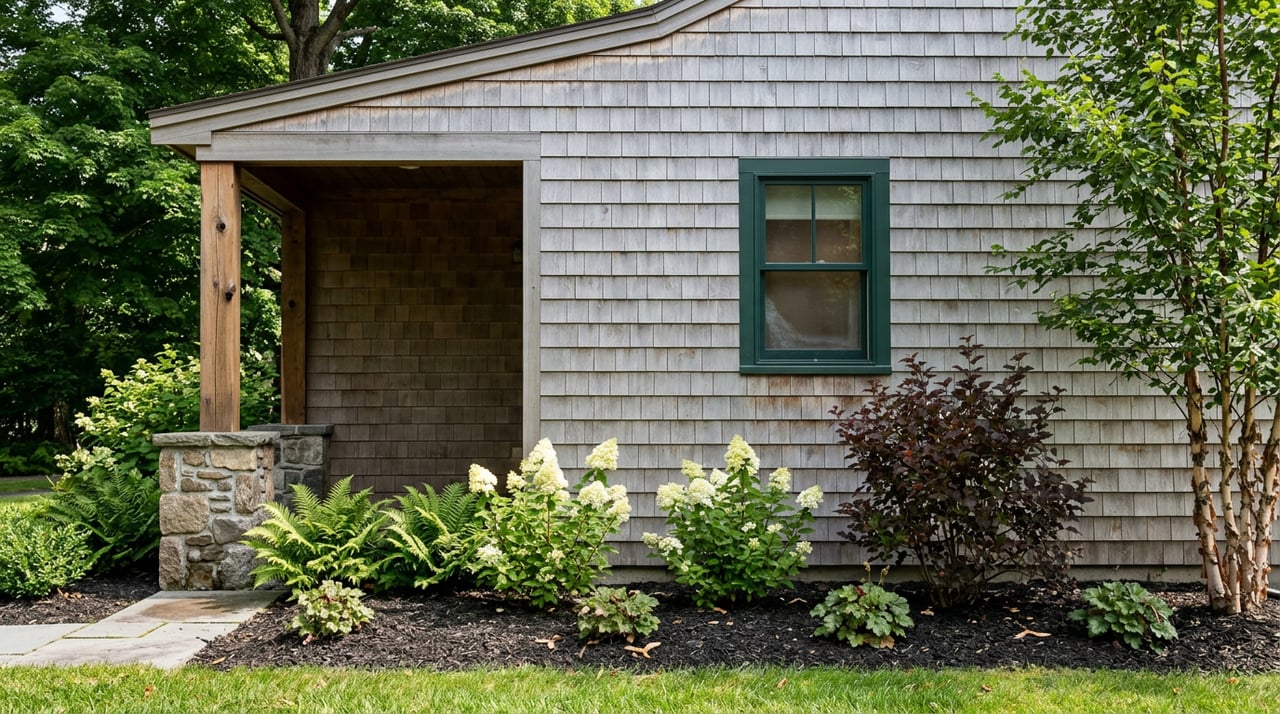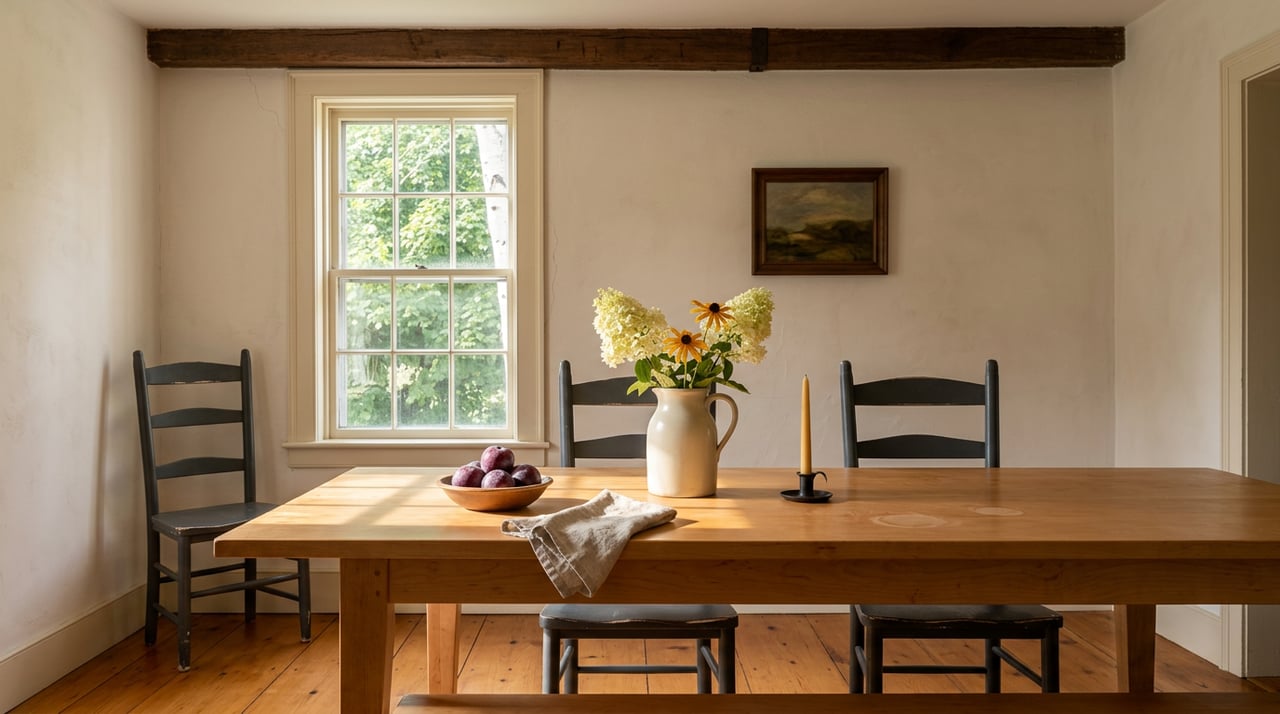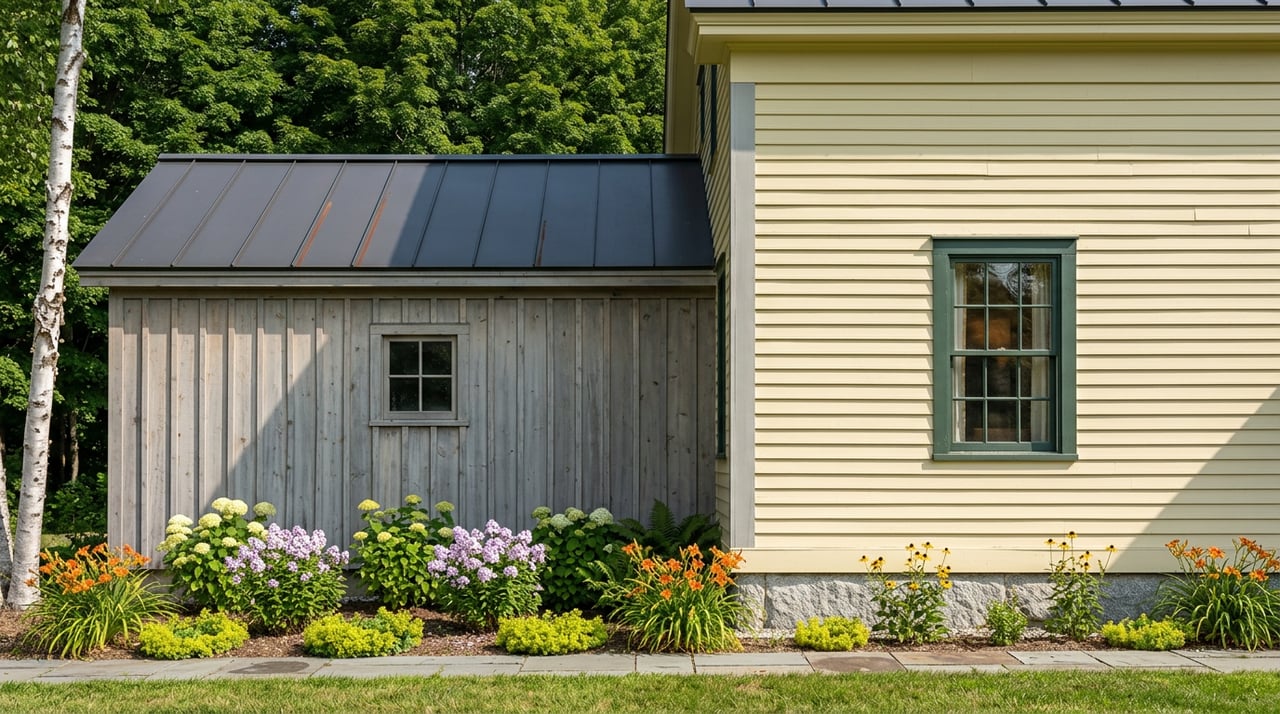
What if your weekends in Vermont felt easier, closer, and truly yours? If you are eyeing West Dover for a ski getaway or a flexible rental, you are not alone. Buying a second home near Mount Snow can be straightforward when you know the steps and the local details that matter. In this guide, you will learn how to plan your purchase, choose the right property type, navigate financing, and set up for personal use or rentals with confidence. Let’s dive in.
Why West Dover works for a second home
West Dover sits in the town of Dover, right by Mount Snow, and caters to a resort and seasonal lifestyle. You will find condos, townhomes, classic chalets, and small inns spread around the mountain corridor. The area draws buyers who want skiing, snow sports, mountain biking, and fall foliage.
The market is seasonal and driven by recreation. Many buyers come from regional metro areas in New England and the New York City region. If you value easy access to the slopes and a quieter mountain base, West Dover is a strong fit.
Start with a clear plan
Define how you will use the property. Will it be for personal use only, a mix of personal stays with short-term rentals, or a longer-term rental investment? Your answer shapes your loan options, tax treatment, and insurance needs.
Build a realistic budget. Include your down payment and closing costs, plus ongoing expenses like property taxes, utilities, insurance, HOA dues, snow removal, fuel deliveries, and maintenance. Set aside reserves for big-ticket items such as roof work, heating systems, and septic replacement. A clear plan up front helps you shop with confidence.
Financing basics for second homes
Most second-home buyers use conventional loans. Lenders often ask for stronger credit and larger down payments than for a primary residence. Second-home down payments commonly fall in the 10 to 20 percent range. If the property will be operated as a short-term rental, your lender may classify it as an investment property, which can require 20 to 25 percent or more down and different underwriting. FHA financing is generally not available for second homes.
Get preapproved early, especially during peak ski season when competition can rise. Work with a lender who understands Vermont and ski-area properties. Clarify your intended use up front to avoid surprises with loan classification and rates.
Condo vs chalet
Condos and townhomes: what to expect
Condos and townhomes can be ideal for second-home owners who want lower maintenance. Snow removal and road care are often handled through the association, and you may get amenities like pools or fitness rooms. These properties can be easier to manage if you plan short-term rentals.
Budget for HOA fees and review the documents closely. Some associations restrict rentals, require specific rental managers, or assess special fees for capital projects. Your insurance will likely be an HO-6 policy, and you should review how it works with the association’s master policy.
Single-family chalets: what to expect
Detached homes offer more privacy and control, and they can attract higher nightly rates if marketed well. Many are not in HOAs, so you set the rules. The tradeoff is more responsibility for maintenance and services.
Plan for plowing, private road or road association dues, fuel deliveries, septic service, and well maintenance. These homes face cold-weather risks such as ice dams and frozen pipes. Make sure the property is winterized and set up for vacancy.
Mountain-home systems to inspect
Cold-climate homes near Mount Snow face unique stresses. During due diligence, focus on:
- Heating system type and capacity. Oil, propane, electric baseboard, pellet, or wood heat all perform differently in winter. Review service records and confirm fuel delivery options.
- Insulation and energy efficiency. Look for updated insulation, double-pane windows, and a tight envelope to control carrying costs.
- Chimney and woodstove safety. Verify liners, clearances, and past use.
- Roof condition and snow management. Ask about snow loads, ice dam history, and overall roof age.
- Water supply. For private wells, test for bacteria, arsenic, and nitrates, and confirm well depth and production.
- Wastewater system. Check the septic type, age, and permits. Obtain pumping and inspection records and verify the system matches permitted capacity.
- Driveway and access. Confirm who plows the road and driveway. Evaluate grade, turning space, and safe guest access.
- Utilities and internet. Electric service is often provided by regional utilities, including Green Mountain Power in much of Vermont. Internet availability varies by parcel. Options in parts of Vermont include fiber and DSL from regional providers. Confirm service at the specific address.
- Insurance factors. Ask about vacancy rules, winterization requirements, and liability coverage if you will host guests.
HOA rules and short-term rentals
If you are buying in a condo or townhome community, review the bylaws, budget, reserve fund, insurance coverage, and meeting minutes. Look for any planned special assessments. Confirm rental policies, pet rules, parking limits, and owner obligations.
If you plan to rent, verify whether short-term rentals are allowed and whether you must use an approved manager. Vermont collects a rooms and meals tax on short-term lodging, and owners who rent typically must register and file returns. Some towns and associations also require registration or safety standards. Work with a CPA familiar with vacation rentals to set up proper reporting.
The buying process in West Dover
The typical steps include offer and negotiation, a due diligence period with inspections, appraisal if you are financing, underwriting, title search and insurance, and closing. Timelines can be influenced by seasonality. During peak ski season, some vendors and offices may have limited availability.
Closing costs usually include lender fees if applicable, title and recording charges, and property tax or utility adjustments. Your agent, lender, and title company will help you pin down exact figures for your purchase.
Renting your home near Mount Snow
Winter is the peak season, with additional demand in summer and fall. Off-season gaps are common, so plan your cash flow around seasonality. If you are out of area, a local property manager can handle marketing, guest messaging, turnover, cleaning, and basic maintenance.
Full-service management fees commonly range from 20 to 40 percent of gross rental income, depending on the services provided. Ask for a written scope, fee structure, and reporting cadence. Ensure your insurance covers short-term rentals and guest liability, and consider an umbrella policy.
Taxes and carrying costs
Property taxes in Vermont are administered by each town, with state education components. Second homes are usually classified as non-homestead for tax purposes. Check current tax rates, assessed value, and how the homestead rules apply to you with the Town of Dover assessor.
Budget for HOA dues, fuel, snow removal, private road association fees, trash and recycling, and ongoing maintenance. Set aside funds for seasonal furnishing, replacements, and repairs to heating, roof, water, and septic systems.
Your out-of-area buyer checklist
Use this quick plan to stay on track.
Before house-hunting
- Define use: personal, hybrid, or rental-focused.
- Build a budget with purchase, closing costs, and 1 to 2 years of reserves.
- Get preapproved and discuss second home vs investment classification.
- Engage a local Realtor with Mount Snow and West Dover experience.
Property search and due diligence
- Decide condo vs chalet based on maintenance and rental goals.
- For condos, obtain bylaws, budgets, reserve studies, and recent minutes.
- Schedule a general home inspection, septic inspection, well water test, chimney evaluation, and any needed HVAC or fuel system checks.
- Confirm utilities and internet providers at the address.
- Determine plowing responsibilities for the road and driveway.
- Verify short-term rental rules and rooms and meals tax registration steps.
Offer to closing
- Negotiate contingencies, inspection time frames, and repair requests.
- Get insurance quotes, including vacancy and rental endorsements.
- Line up a property manager if you will rent or need local support.
- Confirm closing logistics and remote signing options with your title team.
Post-purchase setup and first season
- Winterize or confirm winterization settings and schedules.
- Furnish and equip for personal use and guest durability.
- Register for applicable taxes and establish bookkeeping with a CPA.
- Put recurring services in place for fuel, snow removal, septic, and seasonal checkups.
Local help from a West Dover team
Buying a second home in a ski area is part real estate, part logistics. You want a team that knows the terrain. Southern Vermont Realty Group is a boutique, full-service brokerage based on VT Route 100 in West Dover, about a mile from Mount Snow. The team specializes in resort and second-home transactions, offers centralized transaction coordination, and maintains partnerships that support rental-focused buyers.
If you are ready to explore West Dover condos, townhomes, or chalets, or you want a clear plan for financing, inspections, and rentals, let’s talk. Start a conversation with the local team at Southern Vermont Realty Group.
FAQs
What defines a second home vs an investment property for lenders?
- If you plan personal use and do not primarily operate the home as a short-term rental, many lenders treat it as a second home. If the intent is rental-first, it may be classified as an investment property with different rates and down payments.
Are short-term rentals allowed in West Dover, Vermont?
- Some properties and associations allow them, others do not. Confirm town rules, HOA bylaws, and any registration or safety requirements before you buy.
What inspections are most important for a Mount Snow area home?
- Prioritize general home, septic, and well water inspections, plus chimney and HVAC or fuel system checks. Review roof, insulation, and ice dam history.
How do Dover, Vermont property taxes work for second homes?
- Vermont uses homestead and non-homestead classifications. Second homes are typically non-homestead. Verify the current rate, assessed value, and billing with the Town of Dover assessor.
What should I budget for condo ownership near Mount Snow?
- Budget for HOA dues, potential special assessments, insurance that aligns with the master policy, utilities, and routine maintenance. Review the association’s reserves and upcoming projects.
Who provides utilities and internet around West Dover?
- Electric service in much of Vermont is provided by regional utilities such as Green Mountain Power, and internet availability varies by parcel with options from regional providers. Always confirm service at the specific address.