Thinking about trading city pace for a culturally rich Vermont town with real outdoor access? If Brattleboro is on your list, you’re not alone. Many buyers from Boston and New York look here for arts, community and more space without losing good coffee, independent shops or live music. In this guide, you’ll get a clear picture of daily life, commute realities, housing options and practical must-knows so you can decide if Brattleboro fits your goals. Let’s dive in.
Culture and daily rhythm
You’ll feel a strong sense of community here. Brattleboro’s compact downtown mixes galleries, performance spaces, bookstores and coffeehouses with year-round public events. The town balances a walkable core with quick access to winding roads, farms and forested hills.
Expect a slower pace than major metros, but with plenty to do. Local nonprofits, cooperatives and civic groups are active, and it shows in everything from farmers’ markets to seasonal festivals. Weather shapes the calendar. Summers are pleasant, winters are cold, and shoulder seasons bring foliage drives, art shows and outdoor tourism.
Arts, events and dining
For a town its size, the arts scene is big. You’ll find community theater, a contemporary art presence, municipal galleries and an independent cinema that also hosts live events. Live music and film series round out the lineup.
Dining leans local. Independent restaurants, cafes and brewpubs focus on farm-to-table sourcing and casual settings. You’ll see more bistro-style options than high-end fine dining, and major chains are limited. Shopping skews to boutiques, antiques, consignment and independent bookstores.
Outdoor access and seasons
If you love the outdoors, daily recreation is easy. Local parks and regional trails support quick hikes, jogs and dog walks. The Connecticut River and nearby creeks offer riverfront trails and seasonal paddling. In winter, plan on cross-country skiing close to town and downhill resorts within 30 to 90 minutes by car.
Plan for four true seasons. Snow and ice are part of life, so winter tires and thoughtful driveway planning matter. Spring brings mud season, summer is ideal for swimming holes and biking, and fall draws visitors for foliage and harvest events.
Getting around and commutes
Most routine trips happen by car. You’ll find local driving straightforward, with far fewer traffic snarls than a metro area. Public transit exists, but options and frequency are more limited than you may be used to.
Remote work is common. Many newcomers work from home for employers in Boston or New York, or they split their time between an urban base and a Vermont home. If you plan to commute into New Hampshire or Massachusetts regional job centers, that can be more feasible than daily trips to big-city cores.
Regional travel times
- To Boston: Driving is usually a couple of hours, depending on traffic and weather.
- To New York City: Expect a multi-hour drive, often 4 or more hours based on route and conditions.
- Airports: Major airports require a drive. Decide which airport you’ll use and check current drive times before you book.
Schedules change with seasons and weather, so always confirm your route and timing in advance.
Rail and bus options
Amtrak’s Vermonter stops in Brattleboro, offering passenger rail with limited frequency compared with big-city stations. Intercity and regional bus services operate, though routes and schedules are not as frequent as in metro hubs. If you rely on rail or bus, review current timetables and plan for possible transfers.
Housing styles and neighborhoods
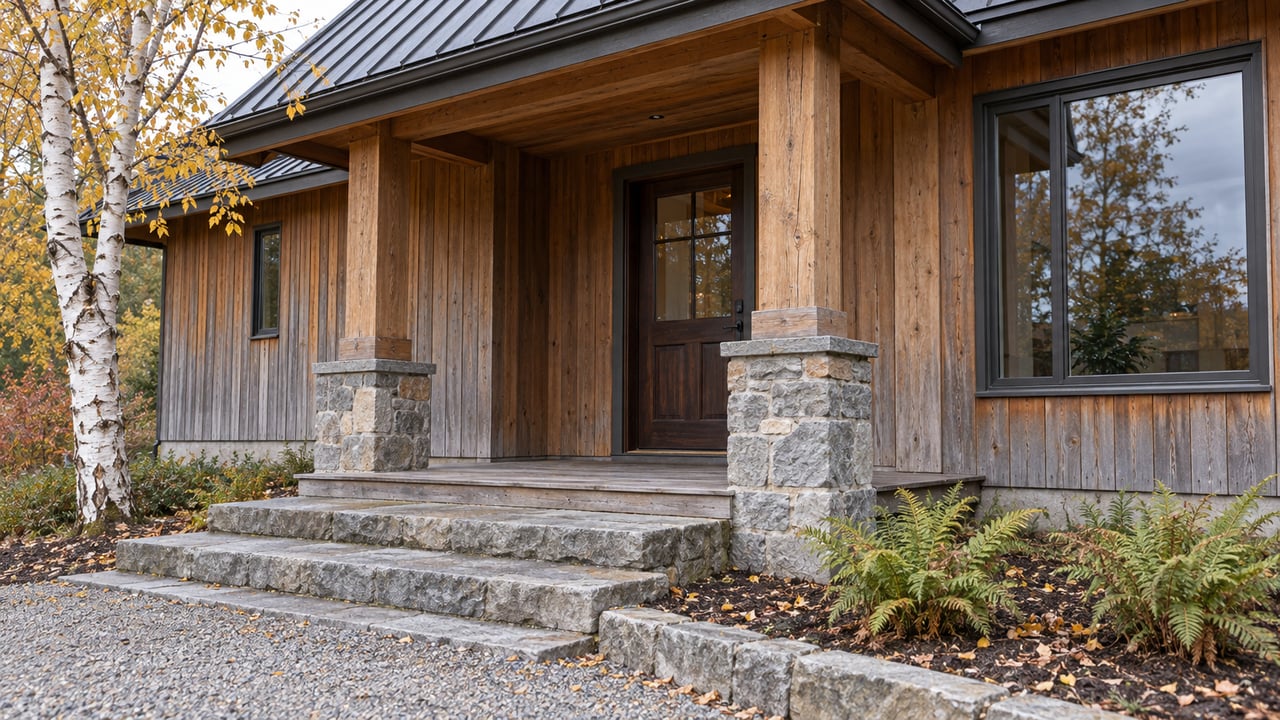
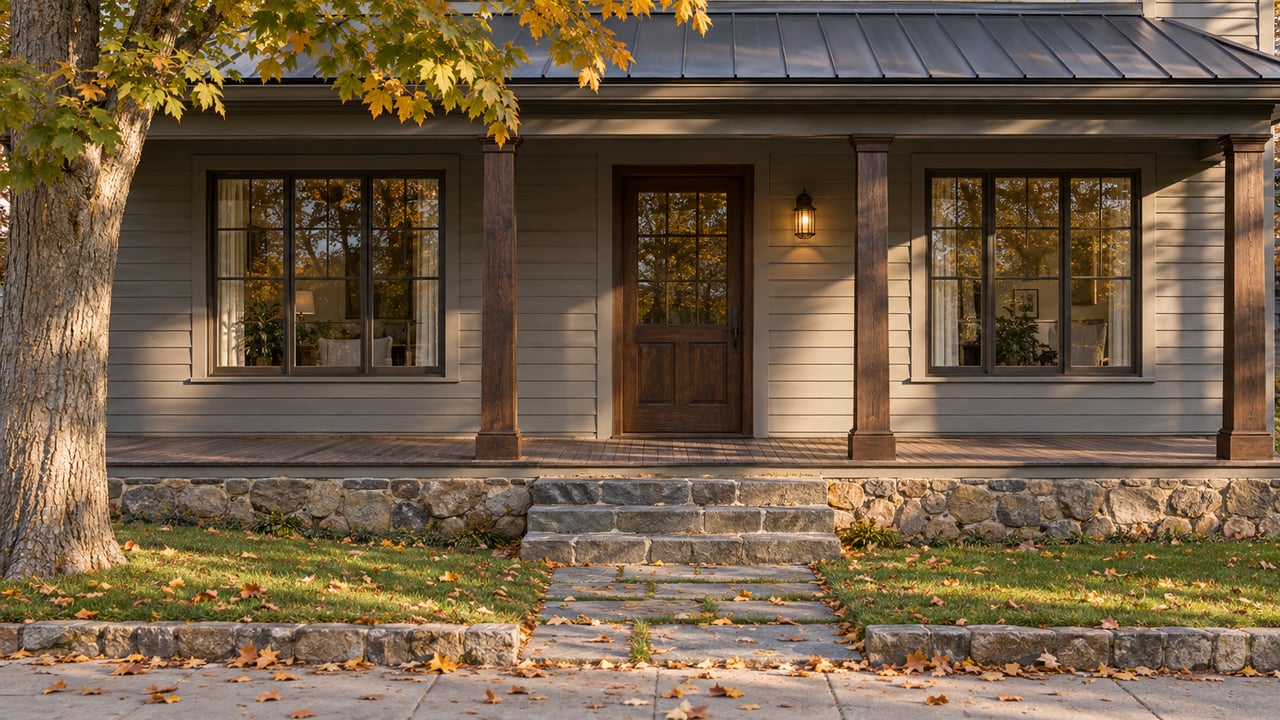
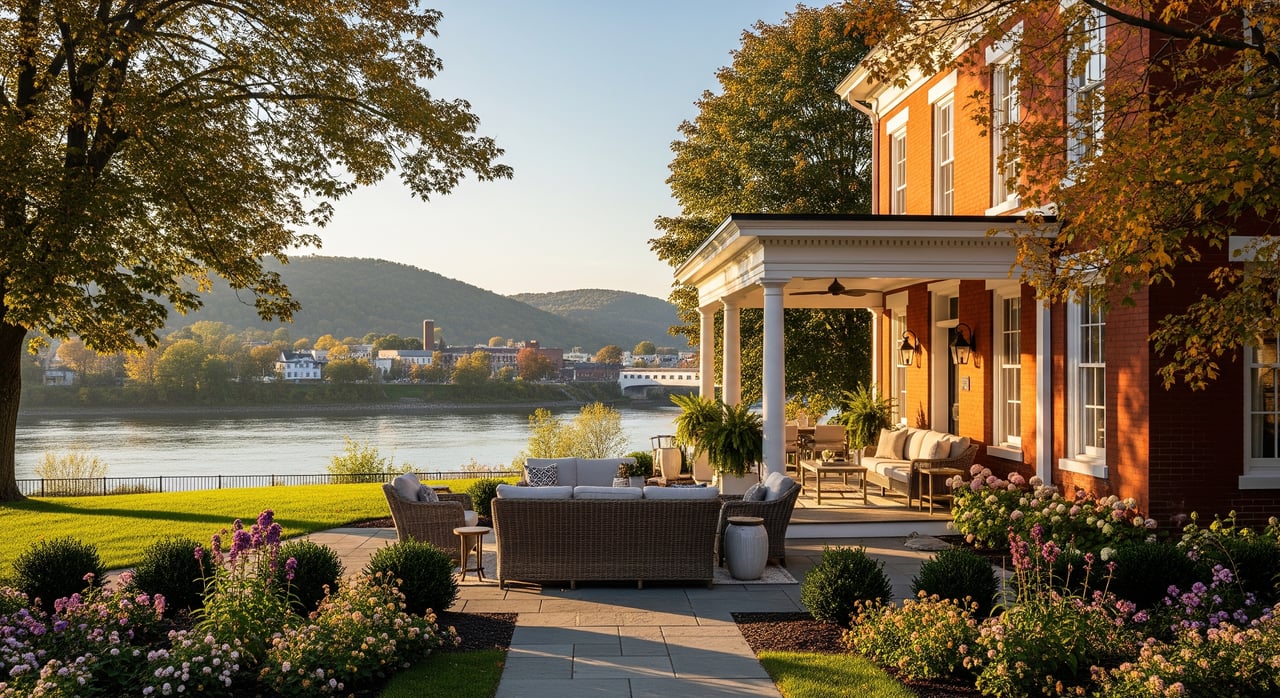
Brattleboro’s housing stock is varied. In and near downtown, you’ll see 19th-century Victorians, Greek Revival homes, Cape Cods, Colonials and Craftsman bungalows, often on modest lots. Many buyers look for renovated older homes close to restaurants and arts.
You’ll also find small apartment buildings, downtown condos and some conversions, including former mills turned into loft-style units. Modern condo developments exist but are limited.
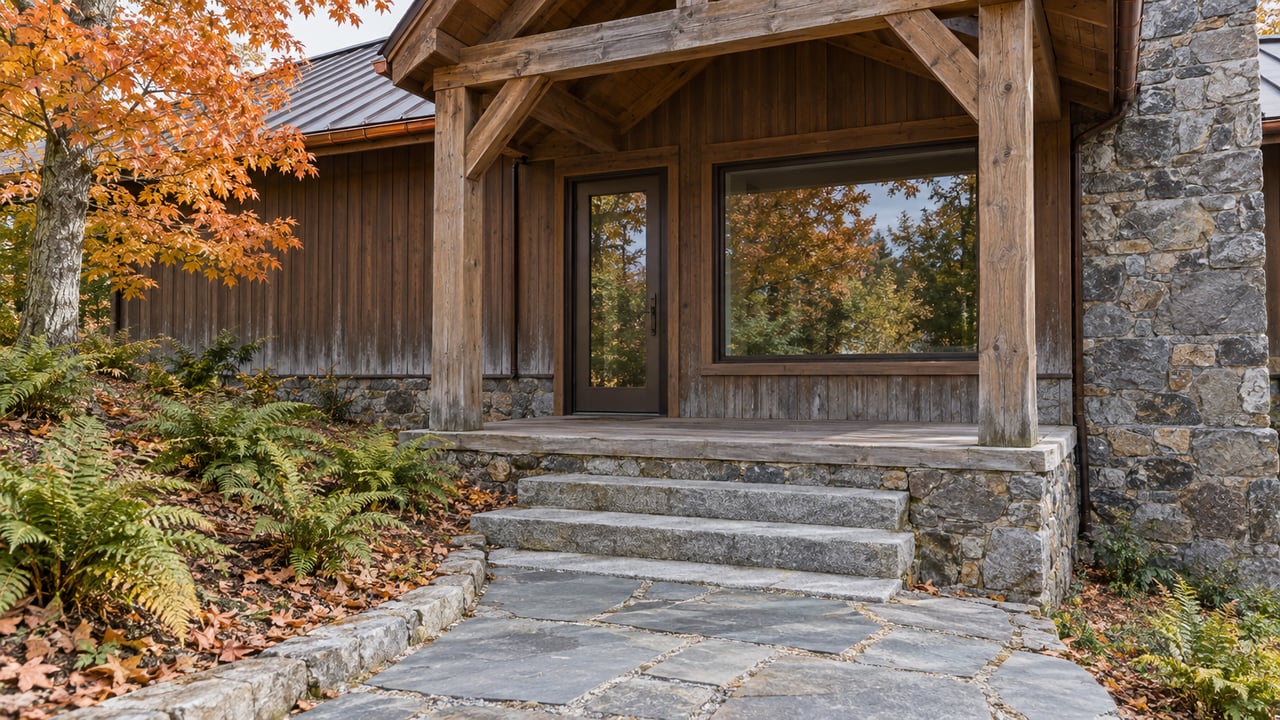
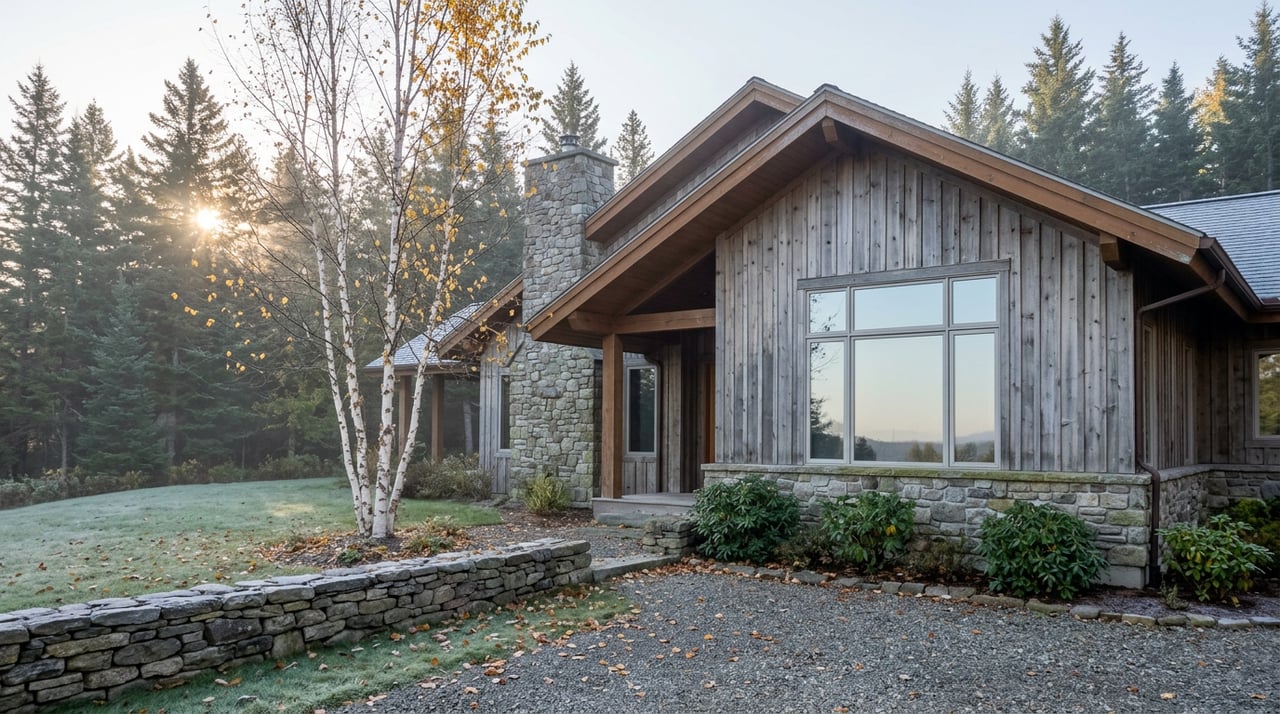
West and East Brattleboro tend to feel more residential or suburban, with ranches and split-level homes. Adjacent towns like Dummerston, Marlboro and Guilford offer quieter roads, larger lots and a more rural setting. Outlying Windham County towns draw buyers seeking more acreage, greater privacy and lower prices per square foot, with longer drives into town.
Market context and timing
Brattleboro attracts a mix of buyers: remote workers and retirees relocating from metro areas, local professionals in healthcare and education, and some second-home or seasonal buyers. Inventory can run tight in popular price bands, and listing activity often rises in spring and summer.
If you want accurate price points, look for current data as of your search window from local MLS sources or recent public sales. Seasonal patterns and interest from out-of-state buyers can affect how quickly well-presented homes go under contract.
Older homes and due diligence
Older Vermont homes have character, and they can come with projects. When you tour, plan for a thorough inspection of:
- Heating systems and insulation performance.
- Chimneys, foundations and moisture conditions.
- Electrical systems such as knob-and-tube wiring in some older properties.
- Potential lead paint in pre-1978 homes.
Riverfront and low-lying areas may require flood insurance. Check FEMA flood maps and consult a local insurance professional. Zoning varies between downtown mixed-use areas and surrounding residential or rural zones, which can affect renovations, accessory structures and short-term use. Always review local permitting before you commit to a plan.
Schools and education
Public K–12 education serves Brattleboro under a regional supervisory union structure, with a public high school available for town students. Several independent and alternative schools operate in the broader region. For higher education or specialty programs, nearby states offer additional options within driving distance. Verify school offerings, enrollment and programs with the Vermont Agency of Education and the local district.
Healthcare and wellness
Brattleboro has a regional hospital, plus primary care and specialty clinics. The town is also home to a notable psychiatric and behavioral health facility serving the region. For highly specialized care or larger hospital systems, residents often travel to major medical centers in neighboring states. Check drive times and referral paths for any specialists you rely on.
Utilities, broadband and services
Electricity is provided by regional utilities. Heating fuels include propane, oil, wood and, in some areas, natural gas. Heat pumps are increasingly common. Municipal water and sewer serve the core areas of town, while many rural properties rely on private wells and septic systems.
Broadband availability varies by neighborhood. Downtown addresses are more likely to have high-speed choices. Some rural roads still have limited speeds, though statewide expansion is ongoing. Always confirm internet providers and speeds for a specific address before you make an offer.
Taxes, insurance and cost considerations
Vermont property tax bills include municipal and education components, and effective rates vary by town. If you compare to city markets, you may find lower purchase prices alongside different carrying costs from heating and property taxes. If you are eyeing river-adjacent or low-lying properties, include flood insurance research early in your budgeting.
Tips for Boston and New York movers
- Visit in multiple seasons to understand winter driving, snow removal and seasonal hours.
- Build a repair and energy budget for older homes. Factor in heating fuel type and typical winter usage.
- Verify utilities, water/sewer or well/septic details and broadband at each property.
- If you plan to travel to your home city often, test your door-to-door timing on the days and times you expect to go.
- Consider a hybrid plan. Many buyers combine remote work with periodic in-office trips.
Is Brattleboro the right fit?
Choose Brattleboro if you want small-town scale with an active arts scene, independent businesses and easy outdoor access. Expect longer trips to major airports and fewer same-day rail options than a metro hub. If you value community, creative energy and a mixed urban-rural feel, you’ll likely feel at home here.
How we can help
Buying or selling in Southern Vermont works best with local guidance. Southern Vermont Realty Group is a boutique, full-service team that specializes in resort and lifestyle markets across the region. We offer buyer and seller representation for residential, luxury, land and commercial properties, plus investor support through rental partnerships. If you’re exploring Brattleboro or nearby towns, our team pairs local insight with premium marketing and reliable transaction coordination to make your move smoother.
Ready to learn more or start a search? Connect with Southern Vermont Realty Group today.
FAQs
How far are Boston and NYC from Brattleboro?
- Driving to Boston typically takes a couple of hours, while New York City is a multi-hour trip, often 4 or more hours depending on route and traffic.
Is public transit practical for regular commuting in Brattleboro?
- Amtrak’s Vermonter serves Brattleboro and buses operate regionally, but frequency is limited compared with big-city systems, so most residents rely on driving.
What housing styles are common in Brattleboro?
- You’ll see historic Victorians, Greek Revival and Craftsman homes in town, ranches and split-levels on the outskirts, and a mix of small apartments, condo conversions and limited newer condos.
Are amenities and events active year-round in Brattleboro?
- Yes, cultural venues and restaurants remain active through all seasons, though some services and businesses may slow during late fall and winter.
What should I verify before buying a rural home near Brattleboro?
- Confirm well and septic details, broadband options, heating fuel type, winter access and any floodplain considerations, along with local zoning for planned projects.