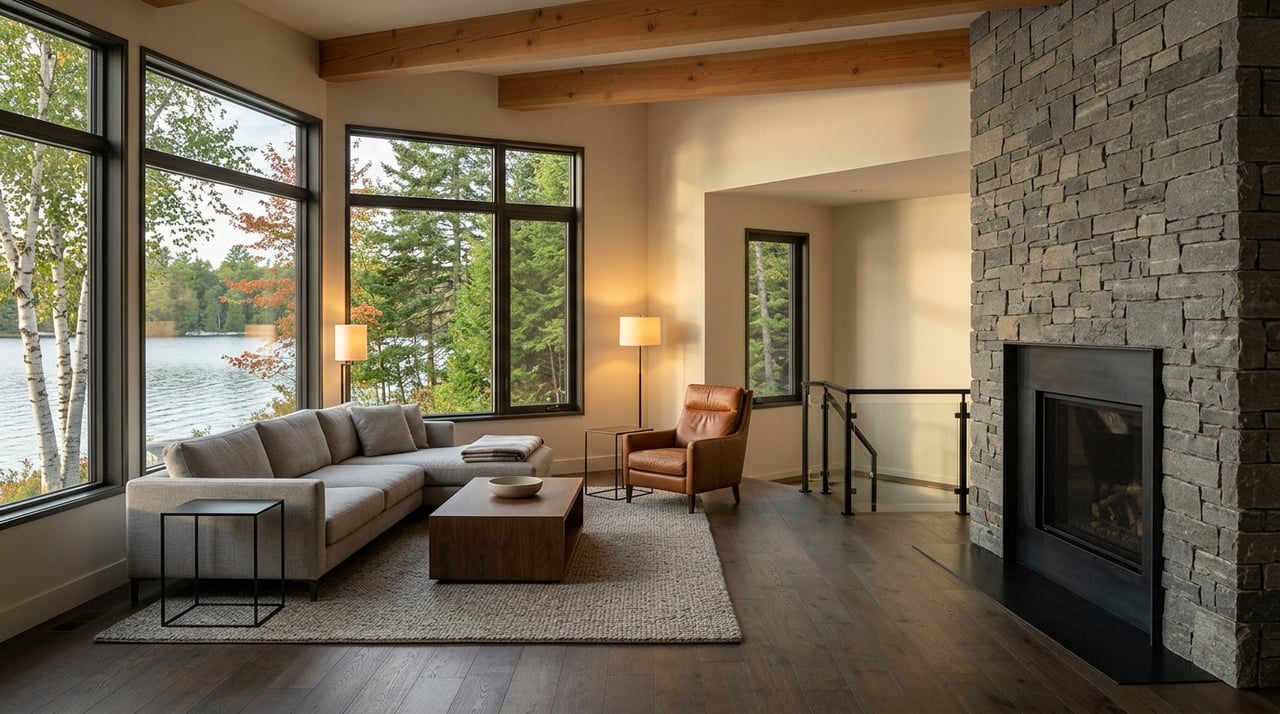
If you are selling a lake home in Whitingham, you are not just putting a house on the market. You are offering a four-season Vermont lifestyle that can appeal to both local buyers and out-of-area second-home shoppers. That creates real opportunity, but it also means pricing, presentation, and documentation matter more than ever. Here is how to position your Whitingham lake property to stand out and sell with confidence.
Why Whitingham Lake Homes Are Different
Whitingham is a true lake-and-mountain market. The town highlights warm-weather activities like boating, sailing, biking, and hiking, while winter brings skiing, snowshoeing, snowmobiling, and other cold-weather recreation. That four-season appeal shapes how buyers see lake homes here.
Harriman Reservoir is a major part of that story. The town describes it as an 8-mile lake with Green Mountain views, and those views are often a key part of a property's value. For many buyers, the setting is just as important as the square footage.
Whitingham also attracts many second-home owners from places like New York City, Connecticut, New Jersey, and Massachusetts. That matters when you sell because your likely buyer may be searching from a distance and making early decisions online. Your listing has to create a strong first impression before a showing is ever scheduled.
Price for Today’s Market
County-level numbers show a market with opportunity, but not one where sellers can ignore strategy. In March 2026, Redfin reported a Windham County median sale price of $550,000, a median 101 days on market, and a 97.2% sale-to-list ratio. Zillow reported a county home value of $369,559, 261 active listings, and 44 days to pending as of March 31, 2026.
Those numbers measure different things, so they should not be treated as direct pricing formulas for one lake house. Still, they point to the same practical takeaway. Buyers are active, but clean pricing and strong presentation still matter.
For a Whitingham lake home, price should reflect the full property package. Buyers will weigh shoreline access, views, outdoor living spaces, documentation, and how easy the home is to use across the seasons. A pricing plan should account for those features instead of relying only on broad county averages.
Time Your Listing Around the Lifestyle
For many sellers, the best listing window is late spring through early fall. That lines up with Whitingham’s strongest warm-weather lake appeal and the Memorial Day to Labor Day recreation season tied to Harriman Reservoir. In that stretch, buyers can easily picture time on the water, evenings on the deck, and the everyday use of the shoreline.
This timing also helps with photos and showings. The lake, the landscape, and mountain sightlines tend to be easier to capture when the property is green, open, and fully accessible. If your home is built for summer enjoyment, this window usually gives you the clearest marketing advantage.
A winter listing can still work in Whitingham, especially if your property truly functions as a four-season home. In that case, buyers will want clear proof that access, heating, snow handling, and year-round usability are all strong. Winter marketing works best when the home feels practical as well as beautiful.
Prepare the Features Buyers Care About Most
When buyers tour a Whitingham lake home, they usually focus on a specific set of features. They want to see the shoreline, the views, the path to the water, the deck, and the outdoor spaces that make the home feel usable and relaxing. That means your prep work should be centered on those lifestyle features first.
Start by clearing visual clutter. Put away extra outdoor furniture, organize lake gear, clean seating areas, and make sure paths are neat and easy to walk. If your best selling point is the view, every photo and showing should make that obvious.
The town plan specifically points to scenic views of Harriman Reservoir as noteworthy. That means sightlines matter. Trimming back overgrowth where appropriate can help reveal what buyers came to see, but the goal should be a clean, natural look rather than a heavily altered shoreline.
Be Careful With Shoreline Work
If you are getting the property ready for sale, avoid last-minute shoreline projects that could create problems. Vermont’s Shoreland Protection Act applies within 250 feet of the mean water level on lakes and ponds larger than 10 acres. The law is designed to protect water quality, habitat, and shoreline stability.
That matters because over-clearing, adding impervious surfaces, or making other changes close to the water can raise compliance issues. Native vegetation plays an important role in reducing erosion and filtering runoff, so a healthy shoreline should still look natural. In many cases, a clean path, trimmed vegetation, and tidy outdoor spaces are enough.
If you are considering any pre-listing improvement near the shore, confirm that permits and prior work are properly documented. The state recommends submitting shoreland permit applications about 45 days before a project starts. That timeline alone is a good reason to avoid rushed changes right before you list.
Get Your Records Ready Before Buyers Ask
Lake-home buyers in Vermont tend to ask detailed questions early. If you can answer them quickly and clearly, your listing feels more credible and easier to purchase. That can make a real difference, especially with remote buyers comparing several homes at once.
One of the first topics is often water supply. Vermont Health says about four in ten Vermont households use private wells or springs, and those systems are the owner’s responsibility. The department recommends annual bacteria testing and a full homeowner testing package every five years.
If your home uses a private water source, gather recent water test results and any treatment or maintenance records before the property hits the market. Buyers may not expect public utilities at a lake property, but they do want reassurance that the system has been cared for. Clear records help reduce uncertainty.
Wastewater is another common topic. Vermont DEC’s Wastewater System and Potable Water Supply Program handles permits for soil-based wastewater systems and private potable water supplies. Buyers often want to know when the system was installed, whether it has been pumped or repaired, and whether permits are available.
Expect Access Questions in Whitingham
Access can be a bigger issue in rural and lake settings than many sellers expect. In Whitingham, zoning rules say land development needs frontage on a public road, class 4 highway, or public waters, or approval for access by a permanent easement or right-of-way that is at least 40 feet wide. That tells you access questions are not unusual here.
Buyers may ask whether your driveway is deeded, whether it is maintained year-round, and how the property performs in winter. These are practical questions, especially for second-home buyers who may not be in Vermont full time. If there is an easement, shared drive, or access permit involved, have that paperwork ready.
A complete file can help your sale move more smoothly. Useful documents may include permits, surveys, septic records, water records, shoreline documentation, and easement information. The easier you make the due diligence process, the easier it is for a buyer to move forward with confidence.
Market the Property as a Lifestyle Home
A Whitingham lake home usually sells best when it is marketed as a complete lifestyle property, not just a house near water. Buyers are often drawn to the full experience: lake access, mountain views, outdoor recreation, and a home that supports seasonal or year-round use. Your marketing should tell that story clearly.
This is especially important because Whitingham attracts many out-of-area buyers from major Northeast markets. Those buyers often begin with photos and property details, then narrow their choices before they ever visit in person. Strong visual presentation is not optional in this kind of market.
Professional photography, thoughtful listing copy, and a clear explanation of the home’s features can help your property stand out. So can details that answer common questions upfront, like shoreline access, outdoor living setup, utility information, and seasonal use. The more complete the presentation, the more your listing works for you.
Why Local Expertise Matters
Selling a lake property in Whitingham often involves more than standard home-selling advice. You may need to navigate shoreline rules, private water questions, wastewater records, legal access, or seasonal buyer expectations. That is where local knowledge becomes especially valuable.
A brokerage with Southern Vermont experience can help you present the property correctly, anticipate buyer concerns, and build a listing that speaks to both local and remote audiences. In a second-home and resort-oriented market, that combination matters. It helps turn interest into serious offers.
At Southern Vermont Realty Group, the focus is on premium presentation, regional expertise, and hands-on seller support. For a Whitingham lake home, that means understanding how to market the property’s lifestyle appeal while also preparing for the practical questions that can shape a sale.
If you are thinking about selling your lake home in Whitingham, the right plan can make a meaningful difference in how your property is received. To talk through pricing, preparation, and marketing with a local team, connect with Southern Vermont Realty Group.
FAQs
When is the best time to sell a lake home in Whitingham, Vermont?
- Late spring through early fall is often the strongest listing window because buyers can better see and imagine the shoreline, views, decks, and warm-weather lake use.
What should I do before listing a waterfront home in Whitingham?
- Focus on clean presentation, clear paths, tidy outdoor spaces, strong views, and organized records for water, wastewater, permits, surveys, and access.
What documents do buyers ask for when buying a Whitingham lake property?
- Buyers often ask for well or spring records, water test results, wastewater permits, septic service history, surveys, easement documents, and records related to shoreline work.
Can I clear more trees or brush before selling my Whitingham lake house?
- You should be careful, because Vermont’s Shoreland Protection Act limits certain clearing and development activity near the water, so it is wise to keep work light and compliant.
Why do Whitingham lake-home buyers ask about driveway and access rights?
- Access is a common question in this area because buyers want to know the property has legal, practical, and year-round access, especially when easements or shared drives are involved.
Why does local real estate experience matter when selling a lake home in Whitingham?
- Local expertise helps you price, prepare, document, and market the property in a way that fits Whitingham’s four-season, second-home, and waterfront buyer profile.