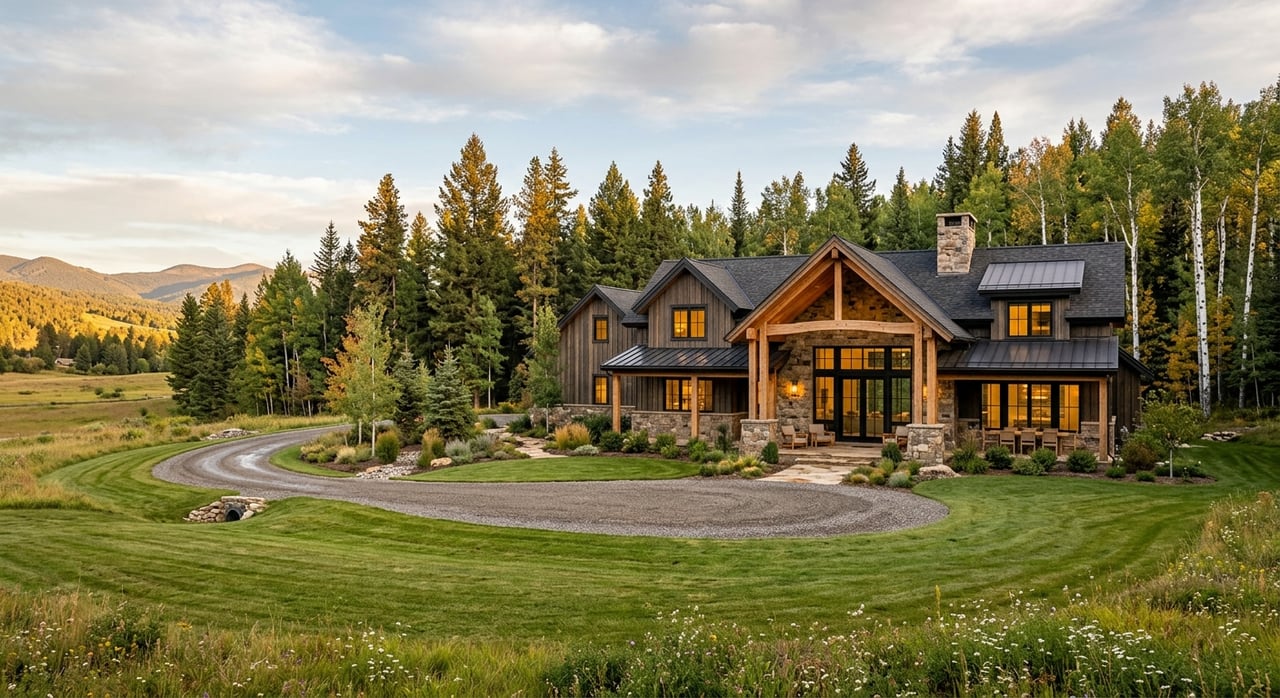
Dreaming about a farmhouse with acreage, a tucked-away cabin, or a buildable parcel in Newfane? The appeal is easy to understand, but buying land and country homes here often comes down to details you cannot see from the road. If you want to avoid surprises, it helps to understand zoning, access, water, septic, and timeline issues before you make an offer. Let’s dive in.
Why Newfane buyers need extra due diligence
Buying a village home and buying a rural property are not the same process. In Newfane, land use rules, site conditions, and permit sequencing can shape what you can build, where you can place it, and how quickly a project can move forward.
That does not mean rural property is harder to buy. It means you want a clear checklist early, especially if you are considering raw land, a country home with acreage, or a property that may need future improvements.
Start with zoning and parcel basics
Before you fall in love with a parcel, confirm which zoning district it is in. Newfane’s official zoning bylaw and map divide the town into Village, Rural, and Resource districts, and the map on file with the Town Clerk is the final authority.
For many country-home buyers, the Rural District is the one to understand first. Under the bylaw, the Rural District allows low-to-moderate density development and uses 2-acre minimum lot area, 90-foot frontage, and 65 / 25 / 25 setbacks.
The Village District is denser, with 1-acre lots and 35 / 15 / 15 setbacks. The Resource District is more restrictive and is intended for areas with watershed, steep-slope, shallow-soil, and wildlife-habitat considerations, with 5-acre lots and 65 / 25 / 25 setbacks.
Site constraints can limit a homesite
Lot size alone does not tell you whether a parcel is truly buildable. Newfane’s zoning bylaw says no structure may be placed, and no land may be excavated, filled, or graded, within 75 feet of perennial streams.
The bylaw also states that no structure may be placed, and no land may be excavated, filled, or graded, within 50 feet of Class 1 or 2 wetlands. In addition, no dwelling may be erected on land with a slope greater than 25%.
That is why two parcels with the same acreage can have very different building potential. A beautiful wooded lot may still need careful review of slope, wetlands, stream setbacks, and usable building envelope before you assume a house site exists.
Surveys and plot plans matter
In Newfane, surveys are not just a nice extra for rural buyers. The town’s zoning permit application expects a survey or scaled plot plan showing lot lines, acreage, legal rights-of-way, setbacks, and proposed structures.
That requirement makes survey work a normal part of due diligence. It can also help you confirm boundaries, easements, and access issues before closing, especially on older country parcels where landmarks on the ground may not match assumptions.
Septic and water are often the biggest hurdles
For many Newfane land purchases, septic and water are the real gating items. Vermont’s Wastewater System and Potable Water Supply Program handles permits for soil-based wastewater systems under 6,500 gallons per day, potable water supplies that are not public systems, and municipal water or sewer connections.
These permits require a qualified licensed designer. Just as important, Newfane’s zoning rules say construction cannot begin on a building that needs onsite potable water or wastewater until the state permit has been issued.
If you are buying raw land, this is a big point to understand. A parcel without an approved septic design and water plan may still be promising, but it may take more time and planning before you can build.
What to check with septic planning
When you are evaluating land, ask whether the seller already has:
- A state wastewater permit
- A septic design by a licensed designer
- Soil testing information
- A defined building envelope that works with setbacks and topography
If those pieces are not in place, that does not automatically make the parcel a poor choice. It simply means your timeline may move in phases instead of all at once.
What to know about wells and water testing
If a new groundwater source is installed for a single-family residence in Vermont, the Health Department requires testing before use. Required testing includes bacteria, arsenic, fluoride, lead, nitrate, nitrite, uranium, gross alpha, chloride, sodium, iron, pH, and odor.
Existing wells are not required by law to be tested, but the Health Department recommends regular testing. For buyers, that makes water quality and documentation an important conversation point when you are looking at a country home with a private well.
Access and driveways deserve early attention
A rural parcel can look simple on paper but become more complicated when access comes into focus. Newfane’s access and right-of-way permit application requires the tax map number, road name, a sketch and location map, and site flagging before an application will be considered, along with a $50 fee.
The form also explains that a permit is required before developing or changing a driveway, entrance, grade, fence, or other work that affects the highway right-of-way. It also distinguishes between town highways and state highways, which matters because access approval may involve a different authority if the property fronts on a state road.
Rural access questions to ask
Before you move ahead on a land or country-home purchase, check:
- Whether access is from a public road or private road
- Whether there is a recorded right-of-way
- Whether a new or modified driveway permit will be needed
- Driveway length and general condition
- Culvert condition and drainage
- Winter plowing and maintenance responsibility
These questions can affect cost, convenience, and build planning. They are especially important if you are buying from out of state and may not be familiar with seasonal road conditions in Southern Vermont.
Expect the process to move in phases
One of the biggest mistakes buyers make is assuming a rural project will move on a fixed calendar. In reality, Newfane’s rules point to a phased process.
Under the zoning bylaw, the town must act within 30 days on a complete zoning application. But if a project needs Development Review Board review or state review, those approvals come first.
A zoning permit also does not take effect until the appeal period has passed. The bylaw says to plan around the 30-day review period and not begin permitted development until the 15-day appeal period is over.
Permits also generally expire after one year if work has not commenced. So if you are buying land for future construction, your planning timeline matters just as much as your closing date.
A practical timeline mindset
Instead of thinking in terms of one simple deadline, think in stages:
- Confirm zoning district and parcel details
- Verify access and right-of-way issues
- Review or obtain survey and plot plan information
- Evaluate septic design and water permitting needs
- Submit for local and state approvals in the right order
This phased mindset tends to match how rural transactions actually unfold. The biggest variables are often survey work, septic design, well testing, access approval, and whether additional hearings or state review are required.
Country homes need due diligence too
Even if you are not building from scratch, country homes in Newfane still benefit from careful review. If a home has a private well, onsite septic, significant acreage, or an older driveway approach, you will want to understand how those systems and site features are documented.
The town clerk points buyers to property cards, tax maps, surveys, and E911 maps that can help verify acreage, improvements, and addressing before closing. Those records can be very useful when a property includes barns, outbuildings, or land that has changed over time.
Acreage may come with Current Use questions
If you are buying a larger parcel, ask whether any land is enrolled in Vermont’s Current Use program. According to the state’s Current Use appraisal standards, qualifying agricultural and forest land may be taxed based on use value rather than fair market value.
That can be helpful for ownership costs, but development of part of the property can trigger land use change tax on the developed portion. This is one more reason to review land-use status early if your goal is to build, subdivide, or change how the property is used.
A smart Newfane buyer checklist
If you want a simple way to frame your search, start with these basics:
- Confirm the zoning district
- Verify legal access
- Review survey and tax-map boundaries
- Check stream, wetland, and slope constraints
- Understand septic and potable water permit needs
- Ask about private well testing and existing system records
- Review Current Use or other land-use restrictions on acreage
This kind of prep helps you compare properties more clearly. It also gives you a better sense of which parcels are ready for the next step and which ones may need extra time, design work, or permitting.
Why local guidance matters in Newfane
Buying land and country homes in Newfane can be incredibly rewarding, but the best opportunities usually go to buyers who balance excitement with good due diligence. When you understand zoning, site limits, access, water, septic, and timeline sequencing, you can move forward with much more confidence.
If you are exploring land, a second home, or a country property in Newfane, working with a local team can help you ask the right questions early and avoid costly assumptions later. When you are ready to start your search, connect with Southern Vermont Realty Group for knowledgeable, local guidance.
FAQs
What zoning districts should buyers know in Newfane, Vermont?
- Newfane’s zoning map includes Village, Rural, and Resource districts, and each district has different lot size, frontage, and setback standards.
What septic permit issues matter when buying land in Newfane, Vermont?
- If a property needs onsite potable water or wastewater, construction cannot begin until the relevant Vermont state permit is issued, and those permits require a qualified licensed designer.
What water testing rules apply to country homes in Vermont?
- Vermont requires testing before use for a new groundwater source serving a single-family residence, and required tests include items such as bacteria, arsenic, lead, nitrate, uranium, pH, and more.
What access questions should buyers ask about rural property in Newfane?
- You should verify whether access is public or private, whether a recorded right-of-way exists, whether a driveway permit is needed, and who handles ongoing maintenance such as plowing or culvert care.
What timeline should buyers expect when building on land in Newfane, Vermont?
- It is best to think in phases rather than a fixed number of weeks, because survey work, septic design, water permitting, access approval, and any required hearings can all affect timing.
What is Current Use and why does it matter for acreage in Vermont?
- Current Use is a Vermont program that may tax qualifying agricultural or forest land based on use value rather than market value, but development can trigger land use change tax on the developed portion.