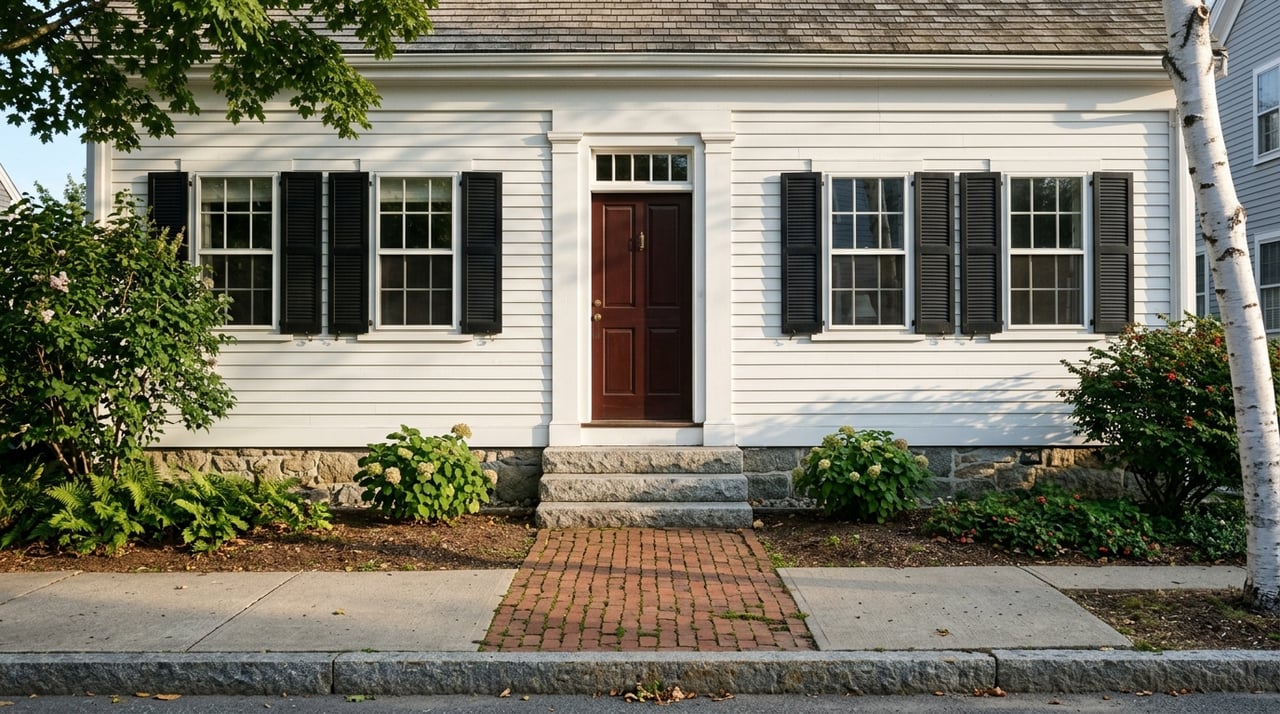
Picture a Vermont village where white steeples, brick facades, and clapboard homes line a quiet main street. If that scene draws you in, Grafton might be exactly what you are looking for. Buying a historic home here can be deeply rewarding, but it comes with unique questions about inspections, updates, and long-term care. This guide gives you a clear view of Grafton Village living, what “historic” really means for homes, and how to buy with confidence. Let’s dive in.
Why Grafton Village stands out
Grafton’s village core is listed on the National Register of Historic Places as the Grafton Village Historic District (2010), recognized for its intact 19th-century architecture and streetscape. You can explore the district’s story and significance in the National Register documentation for the Grafton Village Historic District. The reason the village looks so well preserved is simple: the community values stewardship.
Local institutions play a big role. The Windham Foundation supports preservation and operates anchors like the Grafton Inn, helping maintain the village’s historic fabric and local economy. Learn more about that role on the Windham Foundation’s page about the Grafton Inn. The Grafton Historical Society also documents local history and helps keep preservation front and center.
What historic homes look like here
Styles and exteriors you’ll see
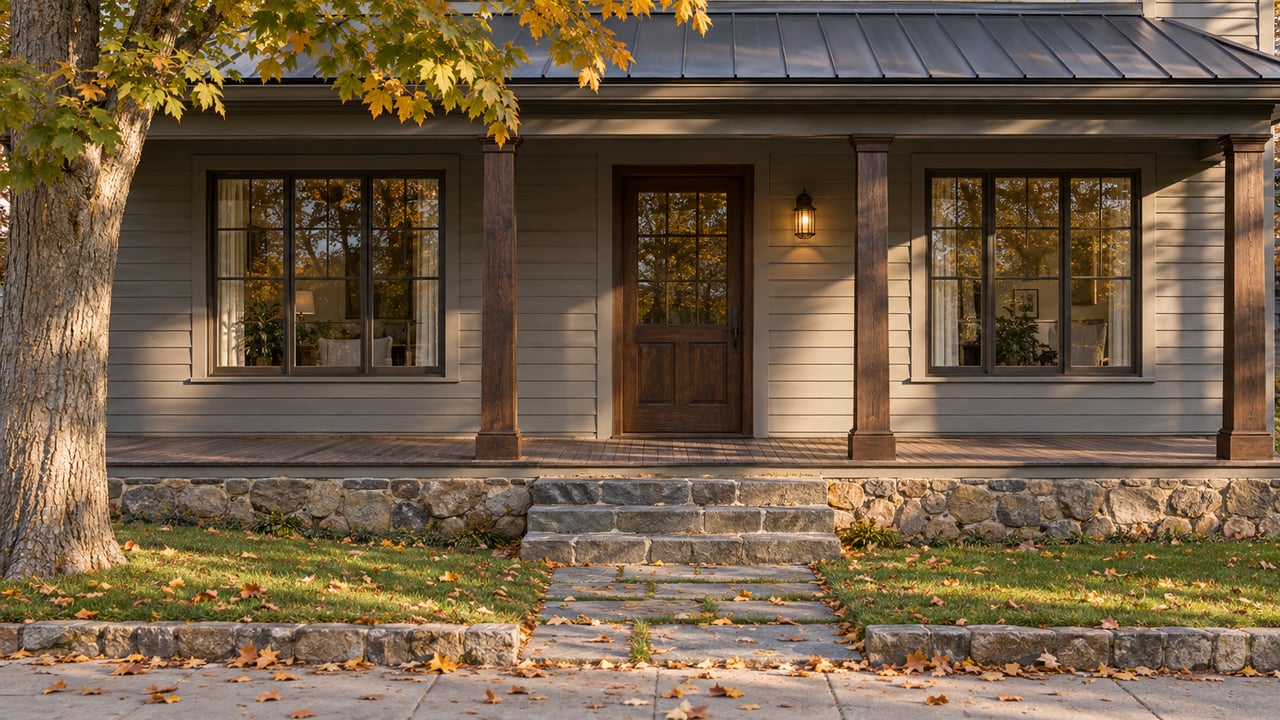
Most village homes date from the early to mid-1800s. You will find Federal and Greek Revival styles, with some Italianate and later Victorian examples, plus a few sympathetic 20th-century revivals. Wood-frame clapboard exteriors are common, with some standout brick houses. Expect symmetrical facades on earlier homes, gable or hip roofs, and period-appropriate trim. Much of the village retains original materials and proportions, which is why the streetscape feels cohesive.
Interiors and systems to expect
Inside, many homes keep early features: plaster walls, original trim, and room layouts that differ from today’s open plans. Systems like electrical, heating, and insulation may have been updated over time. When you consider changes, balance comfort and efficiency with preservation best practices. The National Park Service offers accessible, practical advice on repairs, weatherization, and materials in its preservation guidance.
Life in Grafton today
Village anchors and everyday rhythm
Grafton’s daily life centers on a small, well-loved main street. The historic Grafton Inn anchors village hospitality and draws visitors year-round. Local producers add flavor and character, including the Grafton Village Store and Grafton Village Cheese, longstanding names that support village life. For a quick look at these landmarks, explore this short overview of the village store and cheese makers.
You will also find civic and cultural touchpoints like the historical society museum, the village library in the Butterfield House, and community groups that host seasonal events. Services in town are limited to small essentials, which is part of the charm.
Trails, ponds, and winter fun
For four-season outdoor time, residents head to Grafton Trails and Grafton Ponds Outdoor Center for cross-country skiing, snowshoeing, mountain biking, swimming, and disc golf. Visitors consistently note the quality and variety of activities at the Grafton Trails and Outdoor Center. For downhill skiing, Magic Mountain is the closest area, with Stratton, Bromley, and Mount Snow within a longer drive depending on route and weather. Many locals choose Grafton for the quiet village pace, then day-trip to the mountains.
Where you get services
Grafton has a post office, town hall, and small retail. For broader medical, grocery variety, and rail access, most residents look to nearby hubs like Brattleboro and Manchester, NH. The Grafton Town Report is a good snapshot of municipal services and governance.
Buying a historic Grafton home: what to know
Market snapshot and pricing context
Grafton is a small market with very limited inventory. Reported price indicators often range from the mid $300Ks to the high $400Ks and above, depending on the source and the period measured. With so few sales, even one or two closings can shift median figures a lot. The takeaway: treat published medians as a guidepost, not a rule, and rely on a current, property-specific market analysis before you make an offer.
How it feels compared to nearby towns:
- Brattleboro offers more services and employment and typically shows medians in the mid $300Ks to $400Ks depending on area and timeframe.
- Londonderry and resort-adjacent towns tend to trend higher due to ski access and second-home demand.
- Chester often reads similar to other small towns in the region, while Woodstock is consistently higher, especially in its village core.
Many Grafton buyers are drawn by the preserved village aesthetic, quiet pace, and strong four-season recreation nearby. If you want a historic setting and can be flexible on amenities, Grafton is a compelling fit.
Your historic-home due diligence checklist
Use this quick list to focus your inspections and early budgeting. Line up a qualified home inspector and, where possible, a contractor familiar with older Vermont homes.
- Structure and foundation. Stone foundations are common in older New England houses. Look for moisture, settlement, and mortar issues. Steady drainage and grading are important to keep foundations dry.
- Roofs and chimneys. Older roofs and masonry chimneys need regular maintenance and periodic repointing. Review safe, compatible methods in the NPS preservation guidance.
- Electrical systems. Watch for knob-and-tube wiring or undersized service. Many insurers require updates before they will issue standard policies. Get an electrician’s assessment and a written quote early.
- Lead paint. Homes built before 1978 often have lead paint. Renovations must follow EPA Renovation, Repair, and Painting rules. Review homeowner and contractor responsibilities in the EPA RRP guidance.
- Heating and cooling. Expect oil boilers, baseboard heat, or wood stoves in many homes. Heat-pump retrofits are common upgrade conversations. Coordinate plans with preservation-aware trades to protect historic materials.
- Septic and well. Many properties use on-site wastewater and private wells. Confirm permits, age, and condition, and plan for an evaluation. Vermont’s wastewater rules outline design and repair requirements; see the state’s wastewater manual.
- Moisture and drainage. Gutters, site grading, and careful detailing around stone foundations help manage water. Choose reversible, compatible fixes to protect historic materials; the NPS preservation guidance is a helpful reference.
Tip: Talk with your lender and insurer early. Older wiring or a failing septic can affect insurability and mortgage approval, and you will want a clear path before you commit to a closing timeline.
Budgeting for maintenance and upgrades
Older homes often need more ongoing care than new builds. Plan for items like electrical updates, roof and chimney work, and energy improvements. Costs vary by home size, access, and scope, so the best move is to get multiple quotes from preservation-aware electricians, carpenters, and masons. When in doubt, repair and retain original elements where you can. That approach protects both the home’s character and long-term value.
Rules, approvals, and incentives
- What the National Register listing means. The Grafton Village Historic District’s National Register status recognizes the area’s importance and can open the door to certain incentives. On its own, National Register listing does not control what a private owner can do unless local regulations or a preservation easement apply to your property. In Grafton, preservation is largely community-driven. Still, ask the seller about any easements or deed restrictions before you plan work.
- State rehabilitation tax credits. Vermont offers village and downtown rehabilitation credits that can pair with federal historic programs, often for income-producing or larger projects in designated areas. Review program structure and application steps in the state’s historic tax credit guidelines before you begin work.
Renovating with confidence
The best updates respect original materials and details while improving safety and comfort. A few guiding ideas will serve you well:
- Repair instead of replace when possible. Historic windows and trim can often be repaired. Thoughtful insulation and weatherization can improve comfort without harming character.
- Use reversible methods. If a future owner needs to remove a change, reversible work protects the home’s long-term integrity.
- Hire pros who know older buildings. Electricians, carpenters, and masons who work with historic materials will save you time, protect the house, and help you avoid costly mistakes.
- Document everything. Keep photos, permits, and invoices. Good records help with future resales and, if eligible, tax-credit documentation.
How Grafton compares to nearby towns
If you love a quiet, well-preserved village with strong local identity, Grafton stands apart. If you want more services at your doorstep, you may prefer Brattleboro or another regional hub. For ski-first buyers, resort towns like Londonderry or the Mount Snow area often win on access and inventory. Woodstock is a different level of pricing and tourism intensity. Many buyers ultimately choose Grafton for its heritage, slower pace, and the ability to reach bigger amenities within a reasonable drive.
Ready to explore historic homes in Grafton or nearby Southern Vermont villages? Reach out to the local team at Southern Vermont Realty Group for neighborhood-level insight, current market data, and a plan tailored to your goals.
FAQs
What makes Grafton Village “historic”?
- The village core is listed on the National Register as the Grafton Village Historic District (2010), recognized for its intact 19th-century buildings and streetscape cohesion.
What home styles are common in Grafton?
- You will see Federal and Greek Revival homes most often, plus Italianate and later Victorian examples, with wood clapboard siding and some early brick houses.
Do I need approval to renovate a historic home in Grafton?
- National Register status alone does not control private renovations; check for any local restrictions, easements, or covenants on your specific property before planning work.
What inspections are most important for older homes here?
- Focus on structure and foundation, roof and chimney, electrical, lead paint, heating systems, septic and well, and moisture management, with specialists as needed.
Are there incentives for restoring a historic property?
- Vermont offers rehabilitation tax credits, often for income-producing projects in designated areas, and federal programs may also apply depending on use and scope.
How do Grafton prices compare to nearby towns?
- Prices vary widely due to low sales counts; Grafton often reads mid $300Ks to high $400Ks and above, while resort towns trend higher and Woodstock is consistently premium.
What is the outdoor scene like for residents?
- Grafton Trails offers cross-country skiing, biking, and summer fun; downhill ski areas like Magic, Stratton, Bromley, and Mount Snow are within a reasonable drive.
Where do residents go for services and supplies?
- Everyday essentials are in the village, while broader medical, grocery variety, and rail access are typically found in nearby hubs like Brattleboro and Manchester, NH.