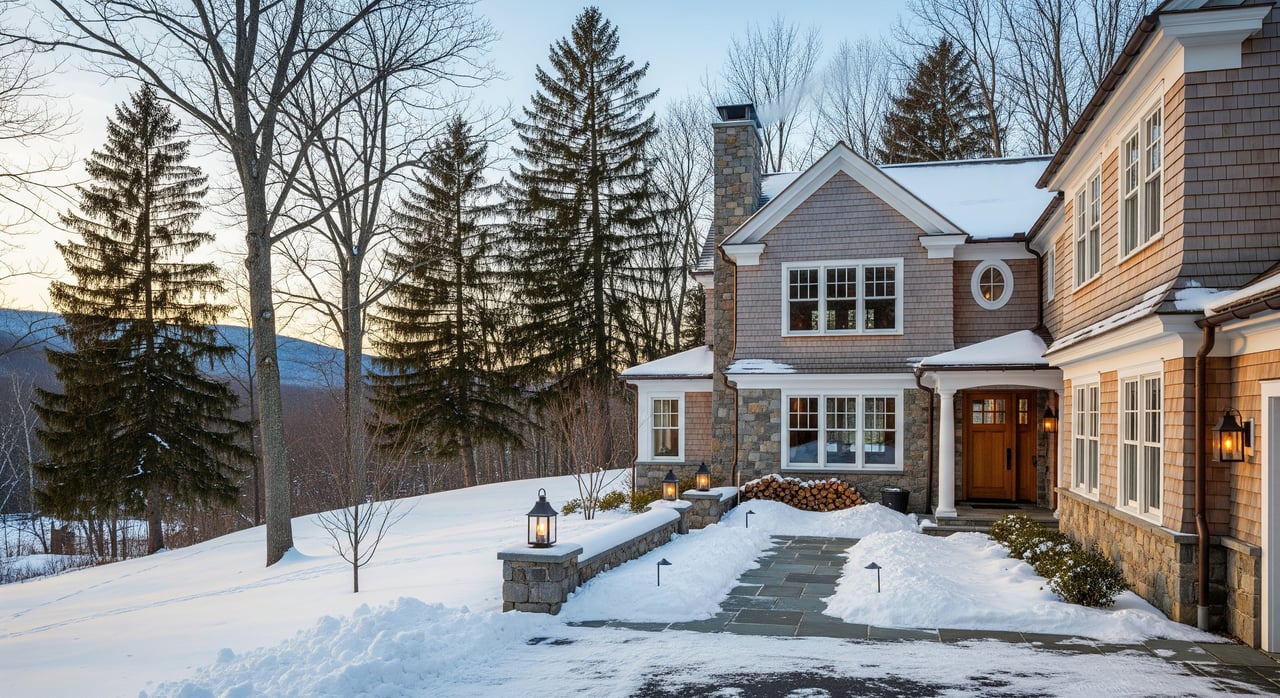
Planning to sell your Manchester home this winter? Good news: in ski markets like Manchester, December through February brings serious buyers who are already here for the season and ready to move quickly. You want to tap that demand without overpricing or missing the features winter buyers value most. In this guide, you’ll learn how to read winter comps, adjust for access and finishes, and position your property to capture peak-season interest. Let’s dive in.
Why winter demand is different
Manchester sits within a cluster of ski destinations and year-round outdoor recreation, so winter can act like a second spring market. You’ll see three buyer types in these months: local primary-home buyers, second-home seekers, and short-term rental investors. Each group values convenience and winter readiness.
Because inventory for well-positioned, ski-oriented homes is often tight, buyers will pay more for easy winter use. Features like plowed access, practical storage, and efficient heat move the needle. That said, luxury properties can linger if the price is too aspirational. Your goal is to meet motivated buyers where they are with a price that reflects what they value.
Build the right comp set
Use a three-tier approach tailored to Manchester, Bennington County:
- Primary comps: Sold listings from the last 3 to 12 months that match location type (in-town or rural), beds, baths, and finished square footage.
- Secondary comps: Active and pending listings to gauge current appetite and pricing velocity.
- Income lens: If your buyer pool includes investors, review comparable short-term rental performance to estimate income-based value.
In-town vs rural pricing
- In-town (Manchester village or Manchester Center): Buyers pay for walkability, municipal road services, sidewalks, and proximity to dining and shops. Lower driveway maintenance and easy access matter in snow.
- Rural and mountain settings: Buyers want land, privacy, and views, but adjust for access. Long or steep driveways, private roads, and distance to plowed routes can lower perceived value.
What to adjust for
When you compare your property to comps, make thoughtful adjustments for:
- Proximity to resorts and village centers. Shorter, easier drives generally justify a premium.
- Driveway and road access. Steep, long, or unpaved driveways and private roads often require downward adjustments.
- Winter maintenance. Documented, reliable plowing or HOA services can support stronger pricing.
- Finished, heated square footage. Compare only true living space. Unfinished basements or cold storage should not be counted as equal.
- Winter views and exposure. Open vistas can carry added value in leaf-off months.
- STR legality and booking history. For investor buyers, proven rental performance can be capitalized into price when records are available.
Price signals to watch
Ask your agent for Manchester and submarket data so you can confirm your pricing range:
- List-to-sale price ratios for winter-season comps.
- Days on market for winter vs non-winter listings.
- Months of inventory for your specific submarket.
- Sold price per finished square foot, separated by in-town versus rural locations.
If inventory is healthy, emphasize sales from the last 6 months, ideally including the prior ski season. If inventory is thin, extend to 9–12 months and lean on pending and active listings for momentum signals.
Winter features that move your price
Winter-ready details can directly influence what buyers will pay:
- Access and arrival: Reasonable driveway slope and length, plow access, turnaround space, and clearly defined parking.
- Entry experience: A practical mudroom, boot bench, and safe path from car to door.
- Heat and power: Efficient boilers or heat pumps, recent service records, and a functional backup generator.
- Envelope: Upgraded insulation and windows that reduce winter operating costs.
- Roof and exterior: Suitable roof pitch, history with snow loads, composite decking, metal roofing, and snow guards.
- Practical amenities: Garage (ideally insulated or heated), ski storage, drying racks, fireplace or woodstove.
Approximate adjustment guidance can help you frame expectations:
- Proximity to resort or village: potential premium, often in the single-digit to low-teens percent depending on exact convenience.
- Challenging access or private plowing needs: potential discount that can reach into the single digits.
- Documented rental performance: value may be set by income rather than comps alone.
- Comprehensive winter upgrades: can support firmer pricing and shorter days on market.
Marketing that earns a winter premium
Professional presentation is essential in winter. Buyers begin online, and the right photos can increase showings and offer quality. Focus on clarity, warmth, and usability.
- Timing: Schedule photos after plowing on a clear day. Include daylight exteriors and twilight shots to showcase warm interior lighting.
- Shot list: Clear driveway and paths, parking area, roofline, main living spaces, kitchen, primary bedroom, mudroom, views toward mountains, and practical amenities like ski storage and generator.
- Drone and virtual tours: Drone helps show access and setting for larger lots. A 3D tour is especially helpful for out-of-state buyers and reduces no-shows.
- Staging: Keep it cozy and functional. Use warm throws, tidy fireplaces where safe, and staged mudrooms. Show that winter living is effortless.
Industry research shows professional photography and robust online marketing often reduce time on market and can lift sale prices in the low single digits. In a winter-driven market with out-of-town buyers, this is even more important.
Pricing strategies for Dec–Feb
Choose your approach based on condition, access, and marketing strength:
- Premium positioning: If the property is turnkey for winter with strong visuals, price at or slightly above adjusted comps to target motivated seasonal buyers.
- Competitive and quick: If speed is the priority, list at or slightly below comps and lean on professional media to drive traffic and potential multiple offers.
- Hybrid: List at the comp midpoint and invest in high-impact media, including a virtual tour, to capture both premium and value-driven buyers.
Step-by-step winter pricing plan
Use this simple plan to prepare your Manchester home for peak season:
- Align on the submarket. Decide whether your home competes with in-town or rural listings, then pick comps accordingly.
- Gather data. Ask for last winter’s sales, current pendings, and months of supply for your segment.
- Walk the winter features. Note access, heat, envelope, views, and practical amenities that affect winter usability.
- Make targeted upgrades. Service heating, test the generator, improve entry storage, and address minor insulation gaps.
- Stage and shoot. Book professional photos, twilight, and a 3D tour. Confirm driveway and paths are clear the day of the shoot.
- Set a season-ready price. Use adjusted comps and your marketing plan to choose premium, competitive, or hybrid strategy.
- Launch with momentum. Syndicate broadly and highlight winter readiness, proximity, and any rental readiness where permitted.
What investors want to see
If your buyer pool includes STR investors, prepare documentation that supports income-based pricing:
- Historical booking records and average nightly rates for comparable properties.
- Utility costs and winter service contracts for realistic expense assumptions.
- Clear statements about local STR rules and taxes. Confirm what is permitted so buyers understand the operating framework.
Smart pre-list investments
You do not need a renovation to win in winter. Focus on cost-effective, winter-forward improvements:
- Low-cost, high-impact: Service HVAC, sweep the chimney, clear and widen the driveway and paths, set up boot and ski storage, and refresh lighting.
- Mid-cost: Air sealing and insulation touch-ups, an upgraded entry door, and refreshed baths or kitchen finishes if dated.
- Higher-cost: Roof work or heated driveway systems. Consider whether you will recover these costs in your price.
Document your work with invoices and service records. These details build buyer confidence and strengthen your position during inspection.
Data to request from your agent
Ask for a concise winter-focused packet so you can price with conviction:
- Sold comps from last winter and the past 6 to 12 months.
- Days on market and list-to-sale ratios for in-town vs rural segments.
- Months of inventory for your specific price bracket.
- Comparable STR occupancy and nightly rates if investors are in play.
Bring it together
Winter buyers in Manchester are motivated, and they notice access, comfort, and operating ease. When you combine a clean comp set with targeted winter upgrades and professional marketing, you can price confidently and sell on your timeline. If you want a local team that understands resort and second-home dynamics, premium media, and investor expectations, we’re here to help.
Ready to price your Manchester home for peak winter demand? Connect with Southern Vermont Realty Group for a tailored valuation and marketing plan.
FAQs
When is the best month to list in winter in Manchester, VT?
- December through February can work well because seasonal visitors are active, but the best timing is when your home is fully winter-ready with professional media.
How do I compare in-town vs rural comps fairly?
- Separate comp sets by location, then adjust for access, plowing, proximity to amenities, and finished heated space to keep comparisons apples-to-apples.
What winter features add the most value to buyers?
- Reliable access, efficient heat, good insulation and windows, a practical mudroom, safe walkways, garage storage, and documented maintenance.
Do short-term rental earnings affect my sale price?
- Yes, for investor buyers. Documented bookings and rates can support income-based pricing alongside traditional comps.
Will professional photos really help in winter?
- Yes. Clear, inviting images and virtual tours tend to increase showings and improve offer quality, especially with out-of-state buyers.