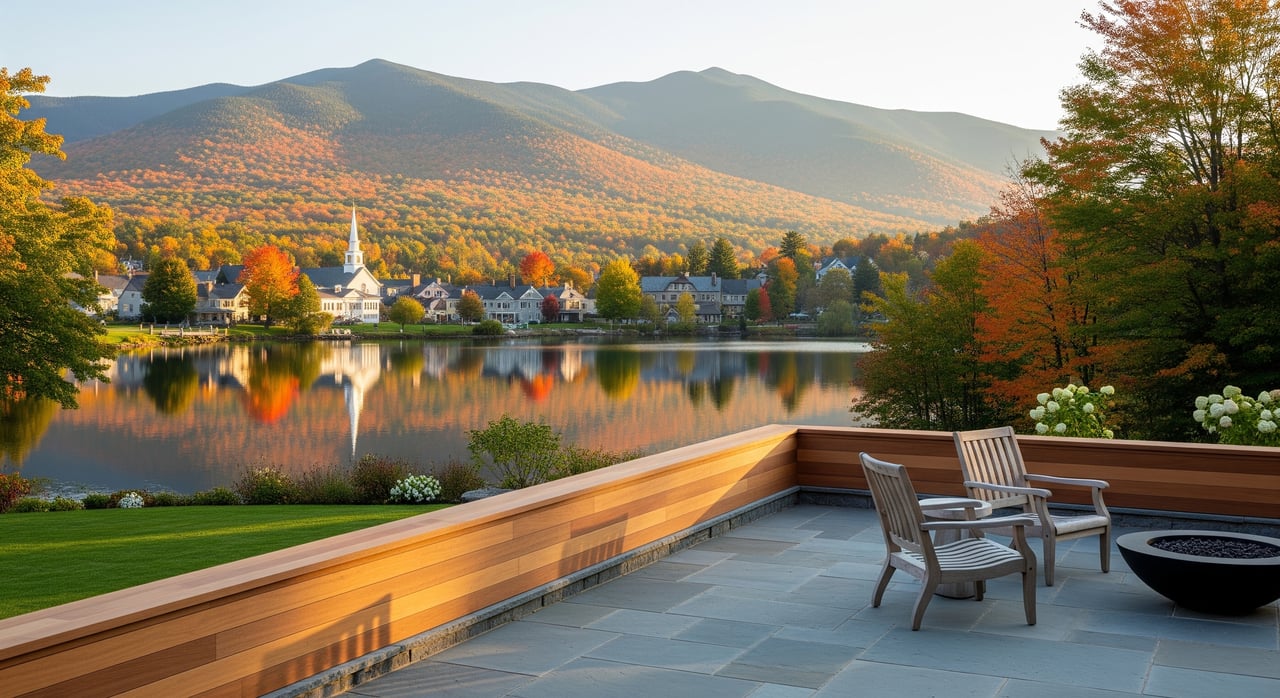
Trying to decide between walkable village charm, lazy summer days on the lake, or instant access to Mount Snow? In Wilmington, these experiences live in three distinct micro-markets that behave differently on price, inventory, timing, and due diligence. If you understand how each pocket works, you can focus your search, avoid surprises, and move faster when the right property appears. This guide breaks down the Village, Lake, and Mountain zones so you can choose the best fit for your lifestyle and goals. Let’s dive in.
Wilmington’s three micro-markets
Village: historic downtown and nearby blocks
The Village covers the walkable core along Main Street and nearby residential streets. You can stroll to shops, restaurants, the village green, and municipal services. Homes tend to be older with classic Vermont character. You will also see small multi-family buildings, a few condo conversions, and some mixed-use.
The draw is clear. You get walkability, a sense of community, and the possibility of municipal water and sewer in parts of the Village. The tradeoffs are smaller lots, limited off-street parking, and older building systems that may need updates. Historic district rules can also shape what you can do to the exterior.
Lake vicinity: Harriman Reservoir and nearby ponds
The Lake zone includes properties on or near Lake Whitingham, also known as Harriman Reservoir, plus nearby ponds and reservoirs in the Wilmington and Whitingham area. You will find true waterfront cottages, camp-style seasonal homes, and year-round lake houses. Some parcels sit off the shoreline with views or deeded access instead of direct frontage.
Buyers come for boating, swimming, fishing, and big-sky water views. Summer demand is strong, especially for second homes and vacation rentals. Expect shoreland setback rules, dock and permit questions, and septic considerations near the water. Lake levels can fluctuate due to dam operations, and some locations carry flood risk. A few properties include deed restrictions or conservation easements.
Mountain-access pockets: oriented to Mount Snow
Mountain-access pockets sit on upland roads that lead toward Mount Snow and other trail corridors. Inventory ranges from rustic cabins and log homes to modern ski houses on larger wooded lots. Many homes are on private or association roads that feel tucked away.
The lifestyle is about privacy and recreation. You get quick access to skiing, snowmobiling, hiking, and year-round outdoor fun. Consider winter practicality, including plowing arrangements, driveway grade, and utility reliability during storms. Some larger parcels may have Act 250 or conservation-related limits on development.
What you will find and who it fits
Village inventory and buyer fit
- What you will see:
- Historic farmhouses, Victorian and Colonial styles
- Duplexes and small multi-family buildings
- A handful of small condo conversions and mixed-use
- Best fit for:
- Year-round households who value walkability and convenience
- Retirees who want easy access to services and community life
- Remote workers who prefer amenities nearby
- Long-term rental buyers seeking steady in-town demand
- What matters most:
- Walkability and proximity to daily needs
- Municipal utilities where available
- Lower outdoor maintenance
- Transparent pricing for older systems or deferred maintenance
Lake inventory and buyer fit
- What you will see:
- Waterfront cottages and renovated lake homes
- Camp-style seasonal properties
- Lake-view parcels and homes with access rights
- Occasional guest structures or small apartments
- Best fit for:
- Second-home buyers focused on summer recreation
- Lake-lifestyle owners who value shoreline access and views
- Buyers weighing vacation rental potential, subject to local rules
- Households starting with seasonal use and planning year-round over time
- What matters most:
- Access to the water, dock or mooring rights, and water quality
- Clear understanding of shoreland permits and setbacks
- Septic suitability and maintenance
- Seasonal infrastructure and potential for higher insurance costs
Mountain inventory and buyer fit
- What you will see:
- Cabins, log homes, and modern ski houses
- Larger wooded parcels with privacy
- Homes on private or association roads, sometimes with HOA fees
- Best fit for:
- Skiers and winter sports buyers who want short drives to Mount Snow
- Second-home owners seeking privacy and views
- Buyers pursuing short-term rental income in ski season
- Primary residents who want space and direct outdoor access
- What matters most:
- Driveway grade, plowing access, and winter road conditions
- Parking capacity for guests and gear
- Proximity to lifts, trails, and recreation corridors
- Reliable utilities and cellular or internet service
Pricing and timing to expect
Where premiums show up
You will often see price premiums for true lakefront with docking or shoreline rights, properties with close Mount Snow access or strong mountain views, and updated historic Village homes with municipal utilities. Discounts tend to appear when access is difficult, driveways are steep, maintenance is deferred, or parcels have environmental constraints like wetlands, floodplain, or restrictive easements.
When demand peaks
Demand is seasonal. Lake properties heat up from late spring through summer. Mountain homes see heightened interest in late fall and winter as ski season approaches. Village homes draw steadier attention year-round, with some lift around local events and school-year planning.
Inventory can be thin in the most desirable segments. Renovated Village homes, true lakefront, and close-in ski properties can see multiple offers when they are priced well and move-in ready.
Regional drivers to factor in
Mount Snow attracts buyers from the Boston and New York City regions, which supports second-home demand. Broader Vermont trends since 2020 increased interest in rural and recreation-oriented homes. You should also weigh regulations and insurance factors, including flood maps, shoreland rules, and any local short-term rental requirements. These can influence both marketability and long-term costs.
Due diligence by zone
Universal checks for Wilmington properties
- Confirm water and sewer. Find out if a property is on municipal services or a private well and septic system, and whether any village hookups are available.
- Verify access. Understand whether you have public or town-maintained road access, a private road, or a deeded right of way. Clarify winter maintenance duties.
- Collect operating costs. Request recent property tax, utility, and insurance estimates.
- Confirm zoning. Check the property’s zoning district and any historic district rules that may affect renovations or use.
Village-specific checks
- Inspect older systems. Many Village homes predate current building standards. Pay attention to wiring, plumbing, insulation, and windows.
- Understand parking and permits. Review on-street parking rules and local permits for rentals or mixed-use.
- Map municipal utilities. Confirm the property’s location on municipal water and sewer maps, which can affect renovation scope and cost.
Lake-specific checks
- Clarify shoreline rights. Determine exact shoreline ownership, public access, and any dock or boat rights that run with the land. Note the permits required.
- Evaluate environmental risk. Review flood risk and how lake level management may affect the shoreline. Confirm septic setbacks and capacity.
- Ask about water quality. Learn about seasonal algae advisories or invasive species that could affect enjoyment and value.
Mountain-specific checks
- Plan for winter access. Confirm snowplow arrangements, turnaround space, and emergency vehicle access.
- Assess driveway grade and logistics. Consider fuel deliveries and the potential for utility interruptions during storms.
- Review association details. If on an association road, check dues, reserves, and rules that impact rentals or use.
- Confirm land use constraints. Ask about Act 250 or town development limits on larger parcels.
Short-term rentals and investment notes
- Check local rules. Confirm town zoning, registrations, or licensing for short-term rentals, along with any local lodging taxes.
- Confirm insurance and HOA positions. Some policies or associations restrict or adjust pricing for short-term rentals.
- Model seasonality. Lake rentals tend to peak in summer, ski-oriented homes peak in winter, and Village long-term rentals can be steadier. Build a plan that matches the zone’s cash flow pattern.
Smarter search strategy
Start with purpose and non-negotiables
Decide whether this will be a primary residence, second home, or investment. List must-haves such as year-round road access, municipal utilities, ski proximity, or dock access. Then note nice-to-haves like specific view corridors or a shorter walk to Main Street.
Create three tailored searches
- Village filters. Focus on proximity to downtown, smaller lots, and municipal utilities. Use year-built filters to target historic character or to avoid it.
- Lake filters. Search for waterfront or water view, shoreline length, septic type, and clear access or dock rights.
- Mountain filters. Sort by lot size, elevation, drive time to Mount Snow, driveway grade, and whether the road is public, private, or association-managed.
Use seasons to your advantage
Expect more lake listings and activity in spring and early summer. For ski homes, watch late fall and winter. If your schedule is flexible, target periods when competing buyers are less active.
Build in the right contingencies
Plan for septic inspections and well testing. On lake properties, allow time to review shoreland and shoreline permits and to verify dock and access rights. In the Village, schedule thorough inspections of older systems.
Engage local specialists early
Line up a local agent who knows Wilmington’s micro-markets, plus a septic and well professional, a land surveyor for shoreline or easement questions, and an environmental consultant for sensitive sites. This reduces risk and keeps your closing on track.
How Southern Vermont Realty Group helps
You do not need to navigate these tradeoffs alone. As a boutique, team-based brokerage in the Mount Snow corridor, Southern Vermont Realty Group specializes in resort and second-home transactions, with dedicated support for buyers, sellers, and investors. You get local guidance on Wilmington’s Village, Lake, and Mountain zones, professional marketing when you list, and rental partnerships that help investors plan for real cash flow and on-the-ground operations.
If you want a clear search strategy, sharp pricing guidance, and a team that handles the details from first tour to keys in hand, let’s talk. Connect with the local specialists at Southern Vermont Realty Group.
FAQs
What defines Wilmington’s Village versus nearby rural areas?
- The Village is the walkable core around Main Street with older homes, some municipal utilities, and easy access to shops and services, while rural areas feature larger lots and private systems.
What should lake buyers confirm about docks and shoreline rights?
- Verify shoreline ownership, dock or boat rights, and required permits, then review shoreland setbacks and septic compliance near the water.
How do winter conditions affect mountain-access homes near Mount Snow?
- You should assess driveway grade, snowplow arrangements, parking, and utility reliability during storms to ensure safe year-round access.
Are short-term rentals allowed across all three zones?
- Short-term rentals depend on local zoning, registration, and any association rules or insurance constraints, so confirm requirements before you buy.
When is the best time to shop each micro-market?
- Lake homes peak in late spring and summer, mountain homes see more activity in late fall and winter, and Village demand is steadier year-round.
What is unique about inspecting older Village homes?
- Focus on electrical, plumbing, insulation, windows, and parking or permit needs, since many Village properties have historic systems and smaller lots.