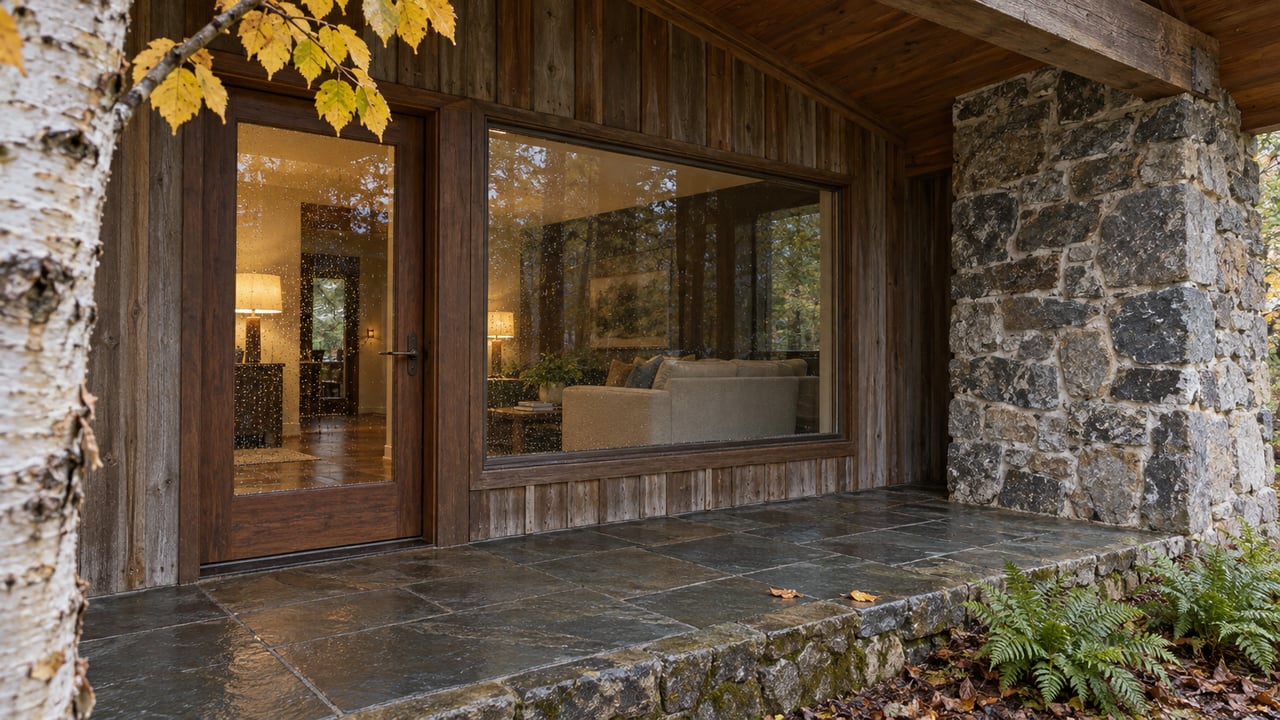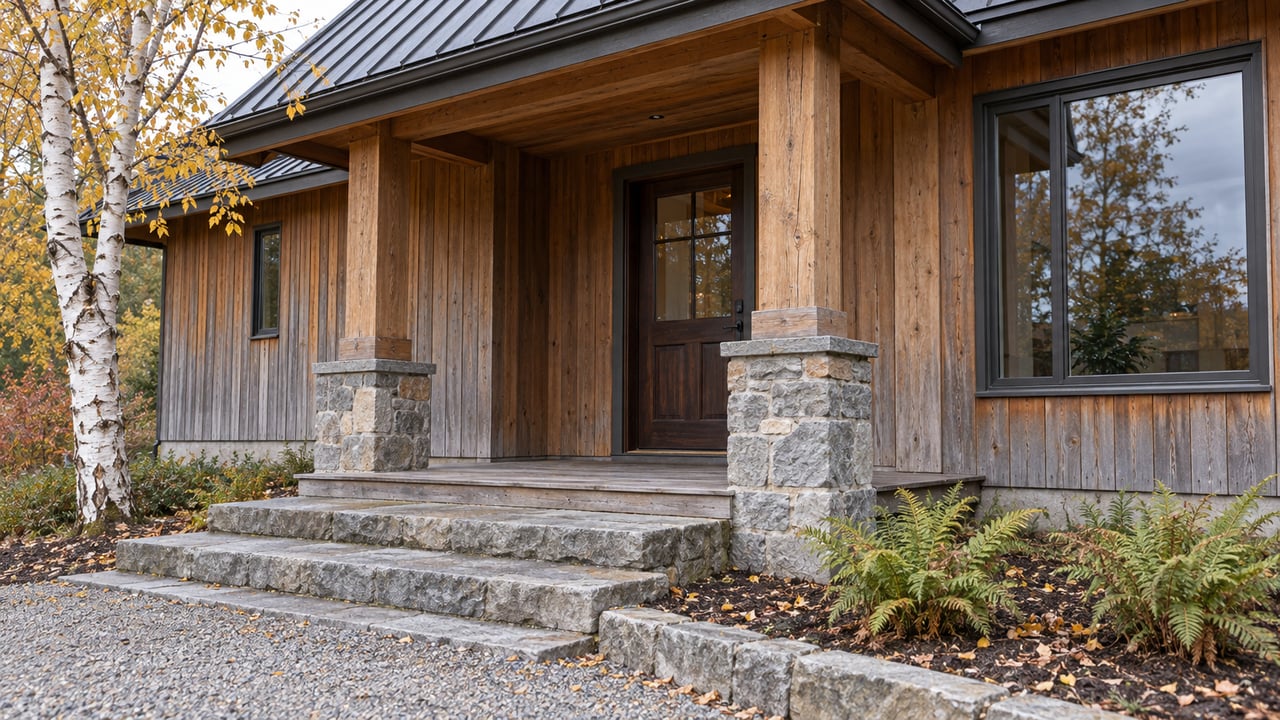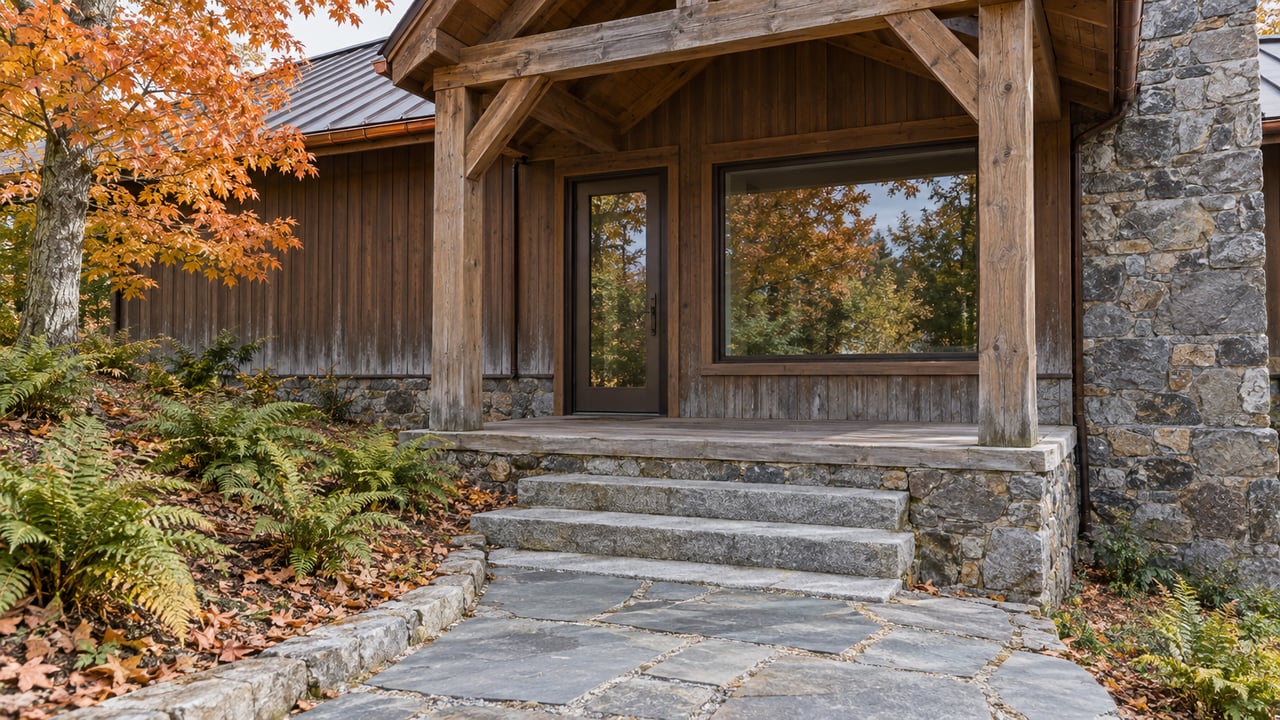
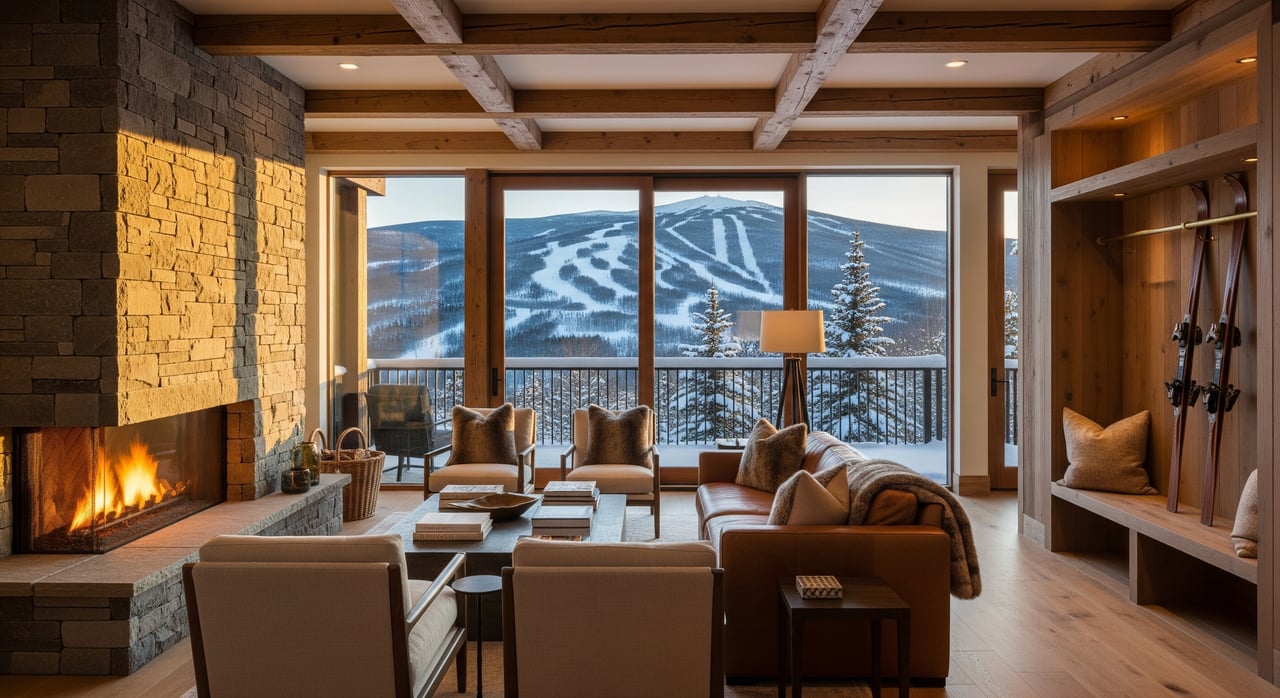
Picture this: you pull into Bondville on a Friday night, wake up to fresh snow, and click into your skis with coffee still warm. If you are thinking about a Stratton-area condo, you probably want easy access, simple ownership, and maybe rental income to offset costs. You also want to avoid surprises like limited winter parking or unexpected HOA assessments. This step-by-step guide walks you through property types, access tradeoffs, HOA rules, rentals and taxes, financing, and due diligence specific to the Stratton and Bondville market. Let’s dive in.
Why Stratton and Bondville work
Bondville and nearby Stratton Village sit at the base of Stratton Mountain Resort. The area functions as a resort community more than a full-service town center, so plan on the conveniences you need most for ski season and weekends.
For many second-home buyers, the location checks the box on drive time. Boston is roughly 3 hours. New York City is around 4 to 5 hours, depending on traffic and weather. Winter is the peak season for demand. Holiday weeks and long weekends often see the highest occupancy and rates. Shoulder seasons bring weddings, hiking, mountain biking, and events that can add rental demand.
Choose your access: trailside or shuttle
Your first big decision is how you want to access the mountain. The right choice depends on how often you plan to visit, your tolerance for peak-season bustle, and whether you plan to rent.
Trailside condos
Trailside or on-slope units offer direct or very short access to lifts and trails.
Pros:
- Immediate ski access and maximum convenience
- Strong rental appeal and the potential for higher rates
- Immersive resort ambience
Cons:
- Higher purchase prices on average
- Potentially higher HOA fees and more frequent special assessments tied to on-slope infrastructure
- Limited parking and more noise during peak periods
Best fit: You prioritize skiing above all, want the simplest weekend routine, and value premium rental performance.
Village and shuttle access
Village base properties often sit within walking distance of shops and dining. Shuttle-access condos and townhomes outside the core can be a strong value play.
Pros:
- Lower purchase prices and sometimes larger floor plans
- Easier parking and a more residential feel
- Potentially broader year-round rental appeal
Cons:
- Reliance on shuttle schedules and reliability
- Extra logistics carrying gear and kids to the lift
- Slightly slower access to first chair
Best fit: You want value, space, and parking, and you are comfortable building a simple plan for shuttles and gear.
Winter logistics that matter
A smooth winter weekend often comes down to a few practical details. Confirm them before you write an offer.
- Parking: Ask how many assigned spaces come with the unit, rules for guest parking, and whether there is overflow or off-site parking during peak periods. Many associations restrict street parking and tow in winter.
- Snow removal: Clarify what the HOA handles. Plowing of private roads, driveways, and walkways can be included or billed separately. Request a seasonal maintenance plan and budget.
- Road responsibility: Confirm if access roads are municipal or privately maintained by the association. Private roads mean the HOA controls plowing frequency and cost.
- Vehicle prep: Many locals recommend winter tires or 4WD. Ask about steep grades or road closures that may affect arrival during storms.
- Building systems: For multi-story buildings, ask about elevator reliability, cold-weather performance, and any backup systems in place.
HOA structures, fees, and assessments
Most Stratton-area condos are organized as associations with declarations, bylaws, and rules. Some communities have a master association for shared amenities plus a sub-association for your building or cluster.
What HOA fees cover
Monthly fees typically include exterior maintenance, roof and siding upkeep, master building insurance, common area utilities, plowing, trash, on-site staff in some complexes, and reserve contributions. Fees vary widely by amenity level and unit size. Smaller or off-mountain associations can be a few hundred dollars per month. Amenity-heavy complexes can exceed $1,000 per month. Always review the itemized budget for your target complex.
Reserves and special assessments
A recent reserve study helps reduce surprise assessments. Ask about the reserve fund balance, the last reserve study date, and any capital projects on the horizon such as roofs, siding, elevator modernization, parking structures, or on-slope infrastructure. Review the past 5 to 10 years of special assessments to see patterns and costs.
Documents to review
Request and review the declaration, bylaws, rules and regulations, meeting minutes for the last 12 to 24 months, current year budget and prior year actuals, the most recent reserve study, an insurance certificate, rental policy, parking rules, and any notices of pending litigation or liens.
Renting your ski condo
If part of your plan is offsetting carrying costs, evaluate rental potential and rules up front.
Demand and pricing
Winter holidays and long weekends often bring peak occupancy and the highest nightly rates. Shoulder-season weekends and summer events supply additional demand. Trailside and on-mountain units tend to achieve higher average daily rates and strong occupancy. Units with easy parking and full kitchens often attract longer stays.
Rental rules vary by HOA
Some associations allow flexible short-term rentals. Others require minimum nights, owner registration, or a dedicated property manager. A few restrict or prohibit short stays. Ask:
- Is short-term rental allowed and are there seasonal restrictions?
- What are the minimum night requirements and maximum booking frequency?
- Is manager registration with the HOA required?
- Are there on-site rental desks or resort partnership options?
Vermont tax and registration basics
If you rent to transient guests, you must comply with Vermont tax rules related to lodging. Registration, collection, and remittance of applicable taxes are required. Rental income is generally Vermont-sourced income and can trigger state filing requirements for out-of-state owners. Contact the Vermont Department of Taxes and local officials for the latest guidance before you buy.
Management and data
Consider engaging a local manager who understands winter operations, guest logistics, cleaning, linen service, and compliance. Use short-term rental analytics from recognized providers to benchmark occupancy and rates when underwriting your purchase.
Financing, insurance, and taxes
Loans: second home vs investment
Lenders classify loans as primary, second home, or investment. Second-home loans often have better terms than investment loans but usually require stronger credit and higher down payments than primary residences. Conventional lenders are the primary source for second-home financing. Some lenders consider projected rental income, but many do not for second-home underwriting. Investment loans typically carry higher down payments and rates.
Insurance: master policy and your coverage
Confirm what the HOA’s master policy covers, including exterior and common areas, and what you must insure inside the unit. Ask about winterization requirements for vacant periods, such as heat settings and water shutoffs, to avoid claims denied for frozen pipes. If you plan to rent, discuss liability and loss-of-income coverage with your agent. For older buildings, expect higher premiums or deductibles for elevators, boilers, or other mechanicals.
Property taxes and income taxes
Property tax bills depend on assessed value and local rates. Obtain recent tax bills for the unit and similar units. If you rent, report rental income on your federal return and typically on a Vermont return as Vermont-sourced income. Deductions may include mortgage interest, property taxes, insurance, a portion of HOA fees, depreciation, and repairs. Work with a tax advisor on allocation and state filing requirements.
Closing costs to expect
Budget for lender fees, title insurance, recording, municipal transfer taxes if applicable, attorney fees, prorated taxes, and any HOA transfer or initiation fees. Ask if the seller will settle outstanding assessments or provide credits at closing.
Due diligence checklist
Use this list to move fast and reduce surprises.
Documents to request early:
- Condo declaration, bylaws, and rules and regulations
- Two to three years of budgets and financial statements
- Current reserve study and reserve fund balance
- Insurance policy declarations and deductibles
- Current budget and any scheduled fee increases
- List of pending or proposed assessments and capital projects
- HOA meeting minutes for the last 12 to 24 months
- Rental policy and any manager registration rules
- Parking assignments and guest parking rules
- Any pending litigation, liens, or code violations
Inspections and technical checks:
- Interior systems inspection for plumbing, HVAC, appliances, and moisture
- Review of roof, siding, decks, and common areas using the reserve study
- Elevator and mechanical status for multi-story buildings
- Utility metering confirmation and typical winter utility costs
- If applicable, specialized inspections for private water or septic
Key questions for the HOA or seller:
- What exactly does the monthly fee cover and what is owner responsibility?
- Are any special assessments pending or expected in the next 3 to 5 years?
- Is short-term rental allowed and what are the minimums or registration steps?
- How many parking spaces are assigned and what are guest parking rules in winter?
- Who handles plowing and shoveling and how frequently is it performed?
- Any recent insurance claims or known structural issues in the complex?
- What is the unit’s verified rental history if applicable?
- Are there any resort easements or agreements that affect the property?
Risk management and negotiation
Protect your downside with smart contingencies and clear documentation.
- Build contingencies for HOA document review, reserve study review, and confirmation of no pending special assessments.
- If rental income is part of your plan, request seller-provided rental statements and compare them with third-party analytics.
- Model winter carrying costs carefully, including heat, higher utility usage, and snow services.
- If reserves are low or projects are pending, negotiate price, seller credits, or an escrow for foreseeable capital costs. Limited parking or restrictive rental rules should also factor into price.
- In competitive moments, having HOA documents in hand or reviewed in advance can make your offer stand out. If you are risk-averse, keep conservative contingencies.
How a local team helps
Buying a ski condo from out of state is easier when you have local support. A Stratton-savvy buyer’s agent can surface the right buildings, request the full HOA file early, flag parking and snow logistics, and coordinate inspections through winter weather. A property manager can guide rental setup, guest turnover, and compliance. Your lender, attorney, insurance agent, and tax advisor help you select the right loan, protect your asset, and plan for taxes.
If you want a team that specializes in Southern Vermont resort and second-home markets, we can help you compare complexes, interpret HOA budgets and reserve studies, and connect you with proven local partners for lending, legal, insurance, and rental operations. When you are ready to explore Stratton and Bondville options, reach out to Southern Vermont Realty Group for expert guidance.
FAQs
What does winter parking look like at Stratton condos?
- Many associations assign a set number of spaces per unit and enforce guest parking rules. Ask about overflow options, towing policies, and shuttle access during peak periods.
How do HOA special assessments work for Stratton-area condos?
- Associations levy assessments to fund capital projects like roofs or elevator upgrades. Review the last 5 to 10 years of assessments and the reserve study to gauge future risk.
Can I use projected rental income to qualify for a loan on a Stratton condo?
- Some lenders consider projected income, but many do not for second-home loans. Investment loans may allow it but often require higher down payments and rates.
What taxes apply if I rent my Stratton condo short term?
- Vermont requires registration and the collection and remittance of applicable lodging taxes. Rental income is generally Vermont-sourced and can require state filing for out-of-state owners.
What should I ask about snow removal before making an offer?
- Confirm who plows roads, driveways, and walkways, the frequency of service, and whether costs are included in HOA fees or billed separately. Verify policies for storms and ice control.
Are short-term rentals allowed in all Stratton and Bondville condos?
- No. Rules vary by association. Some allow flexible rentals, others require minimum stays or manager registration, and a few restrict or prohibit short-term rentals altogether.